
This spring I went to Madrid to visit the exhibition of Anders Born “Traveling the World, Remembering the Land” in Fundacion Mapfre. I didn’t know the artist’s work before, but I heard that he was friends with Joaquín Sorolla and that was enough for me. For this post I will use my photos and text descriptions from the exhibition.
BROADENING HORIZONS: THE EARLY YEARS
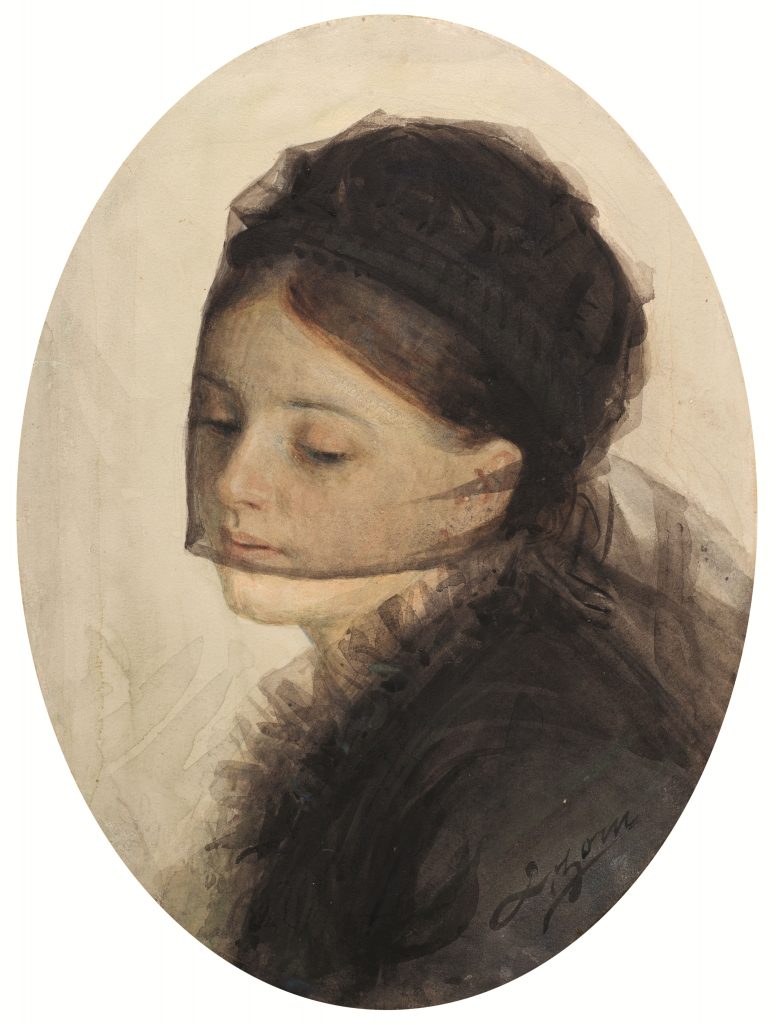
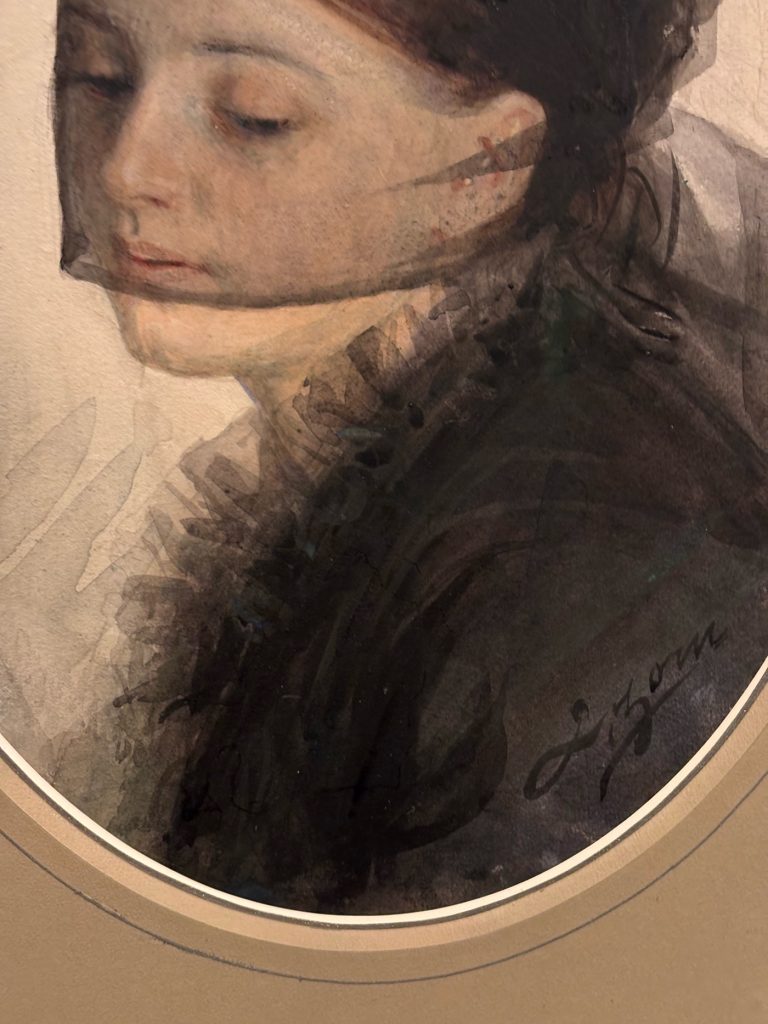
Anders Zorn was born in 1860 in the Swedish province of Dalarna. His parents met while working at the Von-Düben brewery in Uppsala, although they did not marry and Anders never knew his father. Due to his mother’s seasonal work, the young boy was raised by his grandparents on a modest farm in the heart of Sweden. At the age of fifteen he entered the Royal Swedish Academy of Fine Arts in Stockholm, where he distinguished himself with his mastery of watercolour. Zorn’s first major success came in 1880 with In Mourning, a watercolour presented at the annual student exhibition that attracted critical attention and led on to numerous portrait commissions.
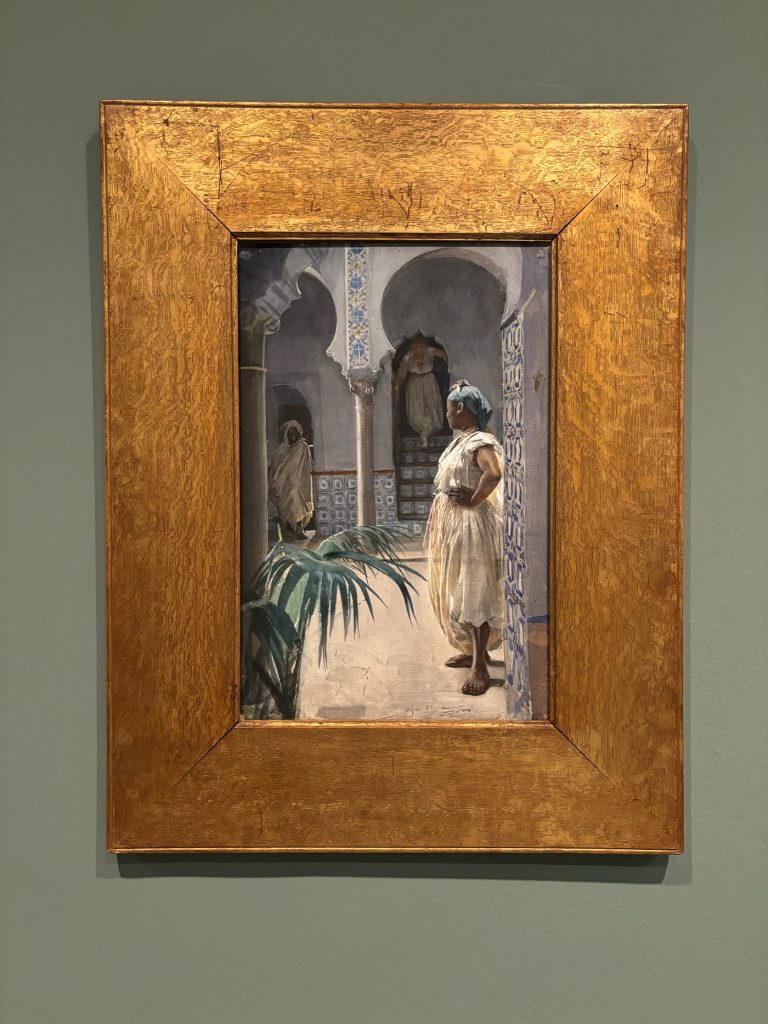
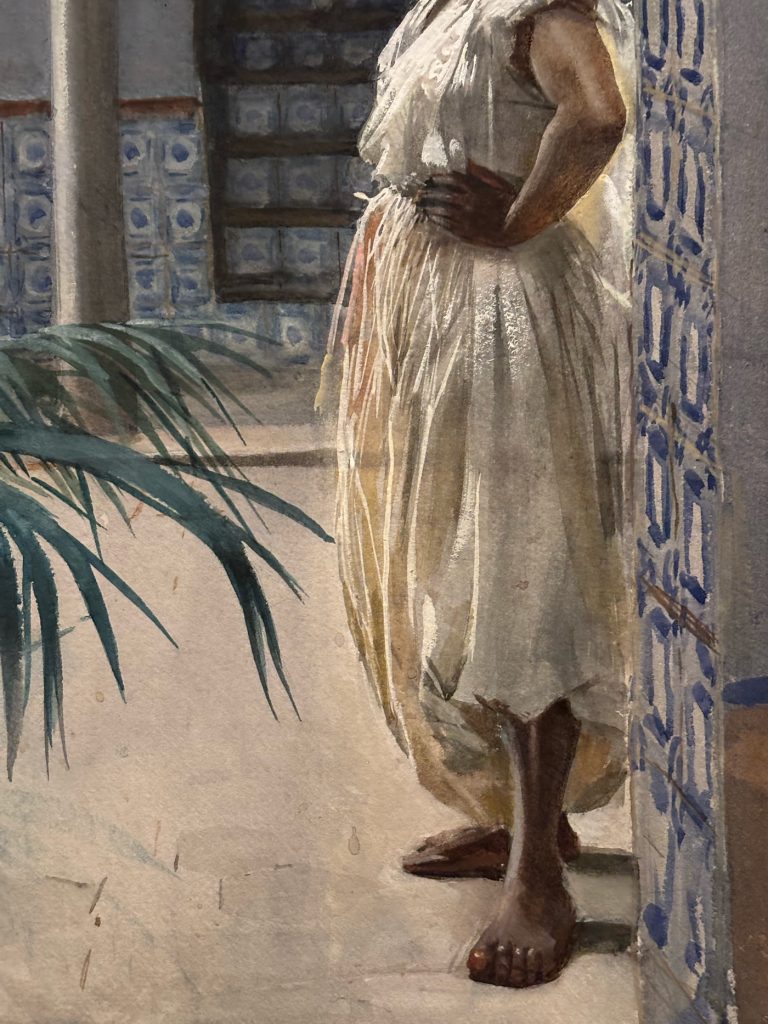
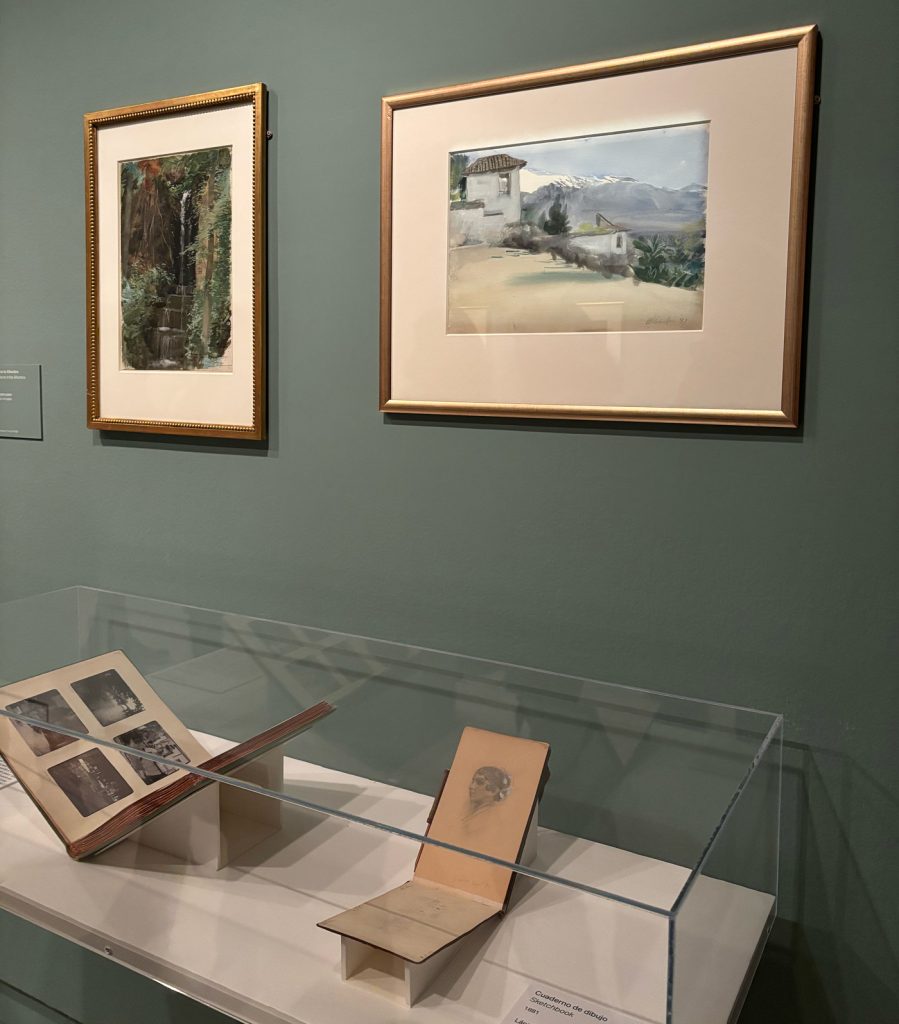
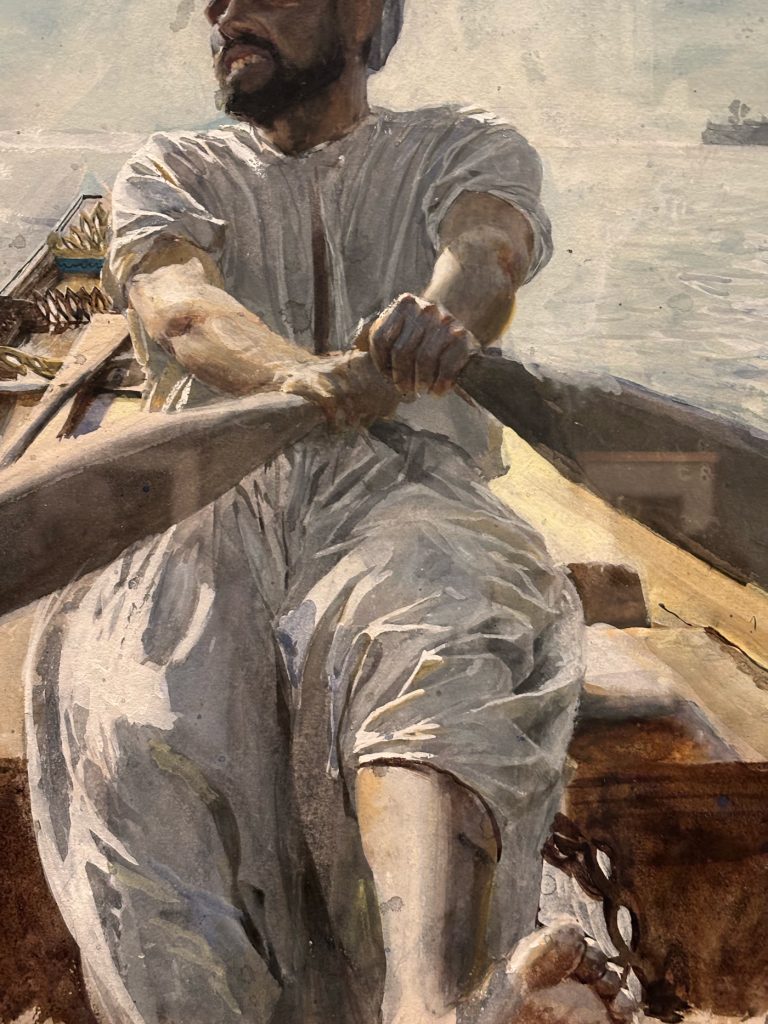
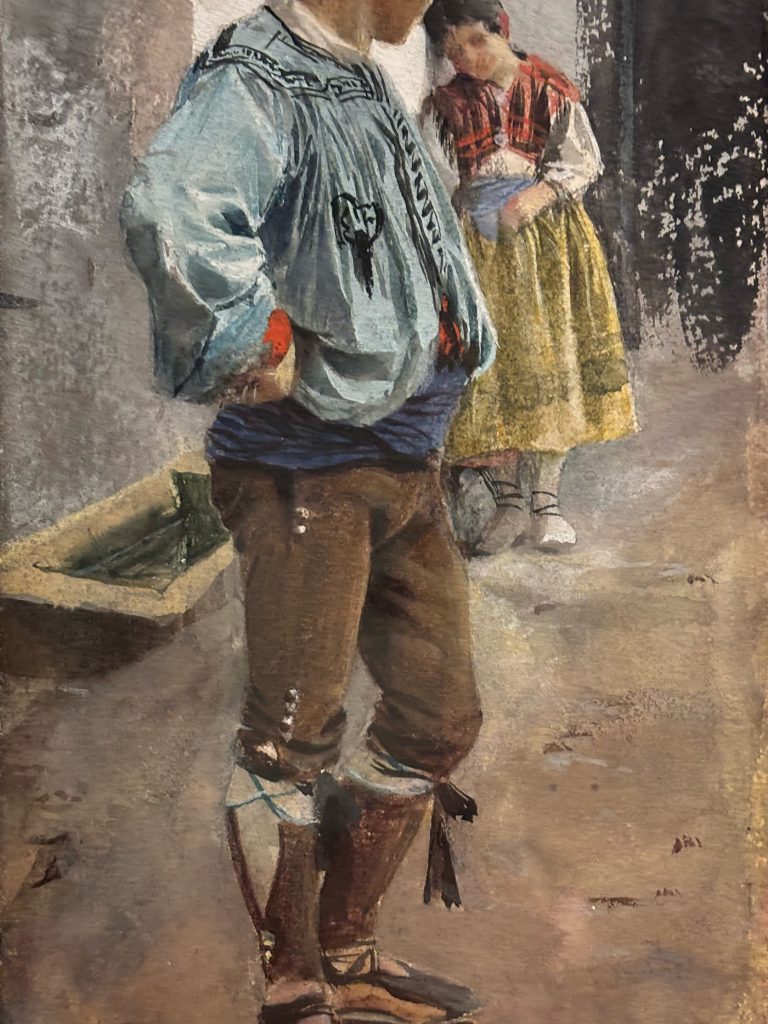
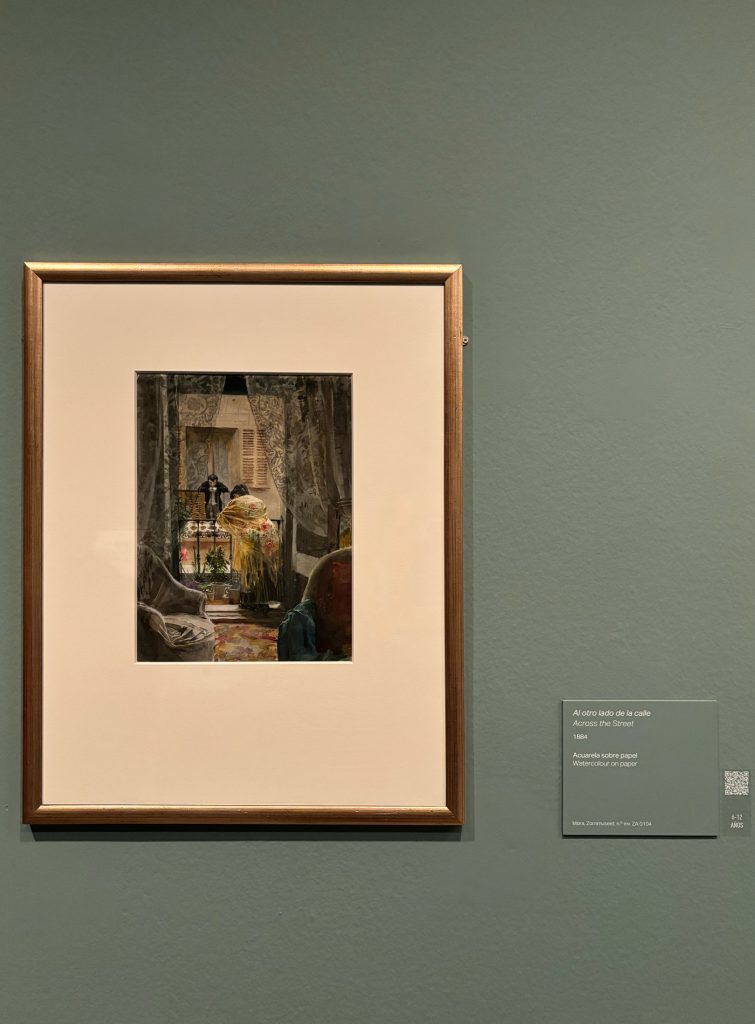
A year later, disillusioned with academic teaching and bolstered by the financial independence afforded by these early commissions, Zorn left the Academy. He then embarked on a period of travel that proved decisive for his development as an artist. Particularly important were his trips to Spain, attracted by the romantic image popularised by his admired compatriot, the watercolourist Egron Lundgren (1815-1875). Zorn’s Spanish works, as well as those created during his trips to Constantinople and Algeria, are characterised by technical virtuosity and a taste for anecdotal subjects, traits ideally suited to the Orientalist genre currently enjoying such success among European clients.
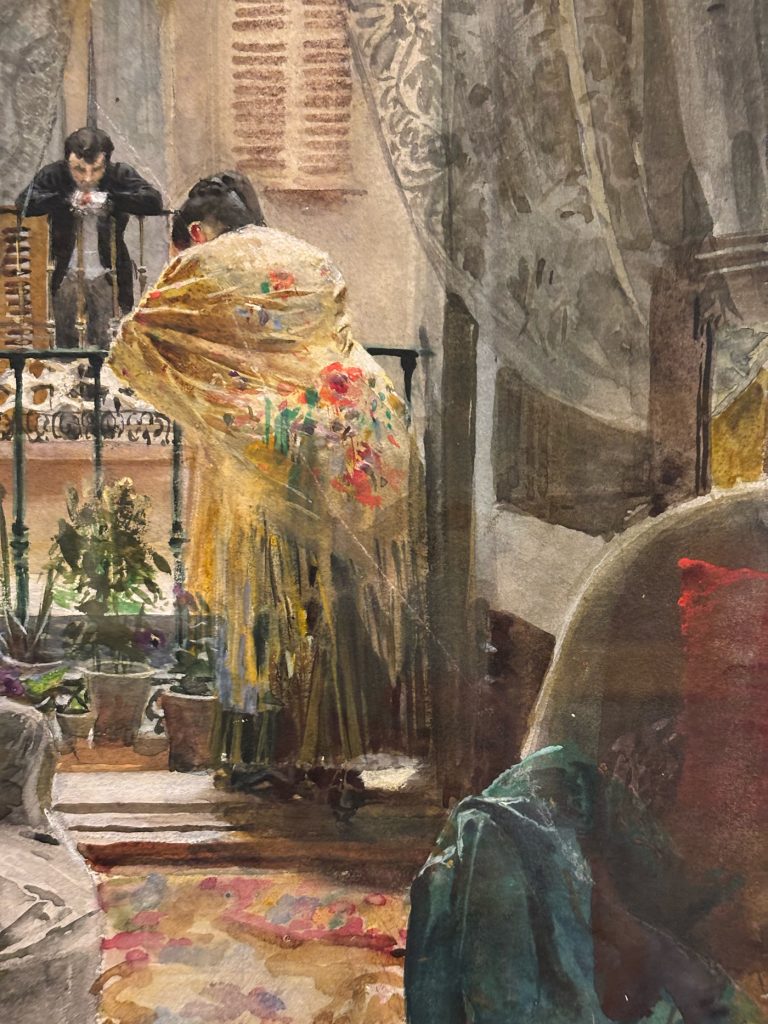
BECOMING A PAINTER: FROM WATERCOLOUR TO OIL
Zorn settled in London in 1882 where he soon established himself as a portrait painter. Three years later, his marriage to Emma Lamm – a member of a wealthy Jewish family from Stockholm significantly expanded his clientele, which included the influential banker Ernest Cassel. The artist’s fame as a portraitist soon spread beyond Spain: from the United Kingdom to Sweden and on to Portugal and Spain, which he visited in 1884 to paint portraits of leading members of Madrid society. From the outset, Zorn’s portraits are distinguished by the manner in which he locates his subjects in settings that serve as symbolic attributes of their personalities.
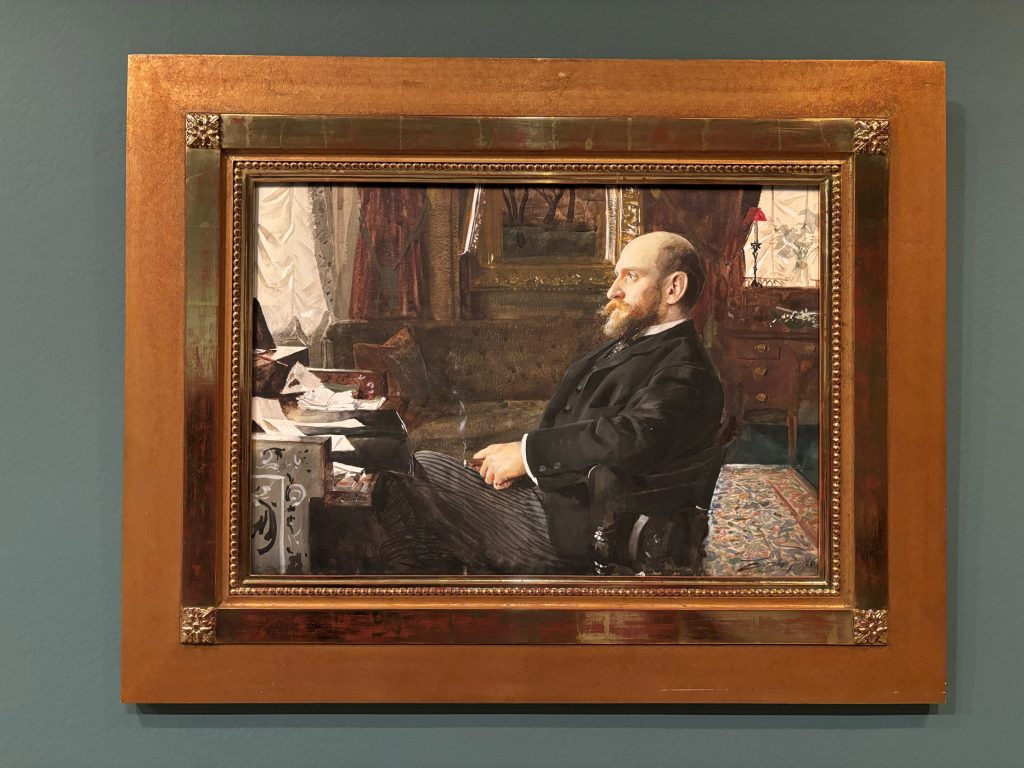
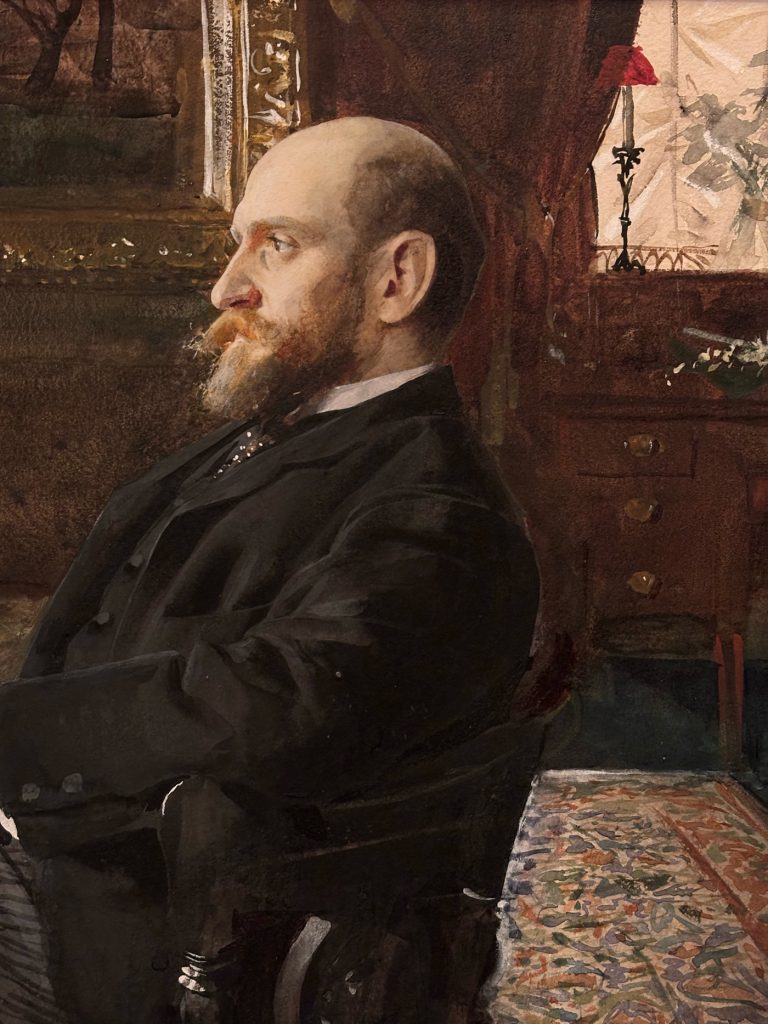
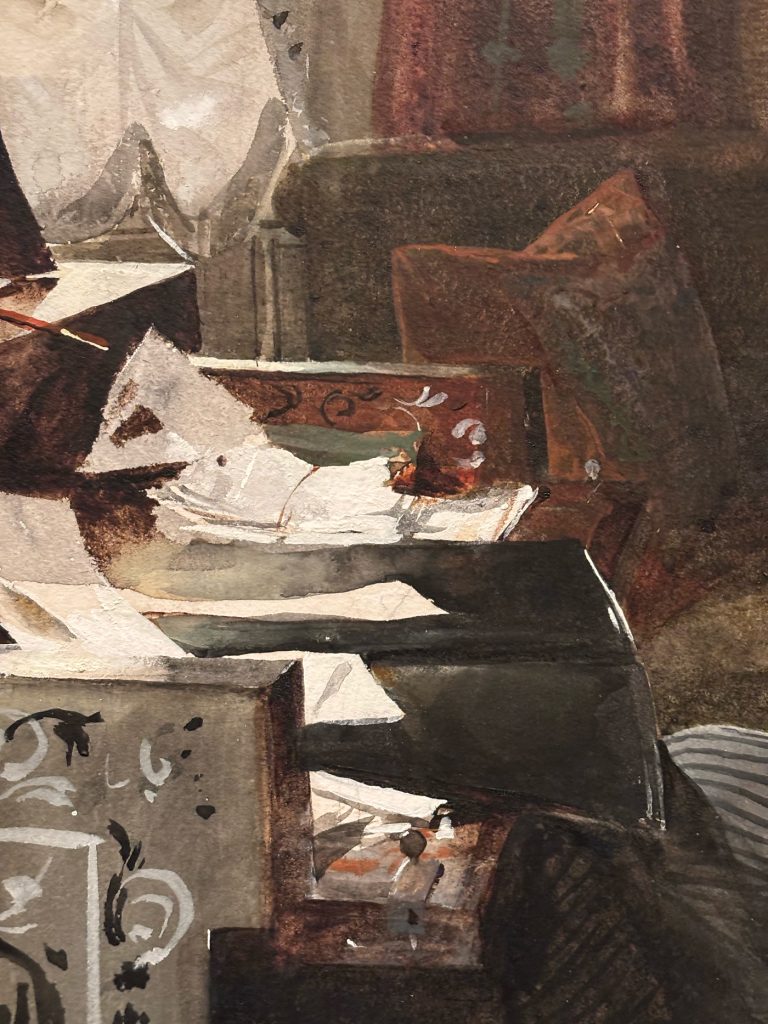
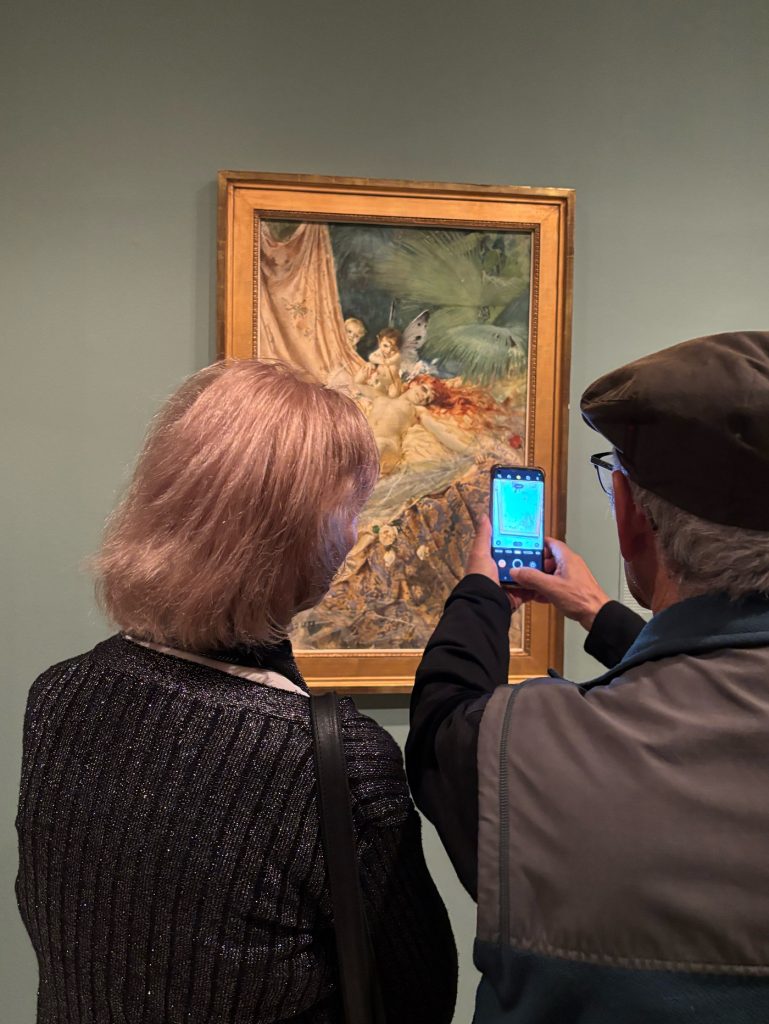
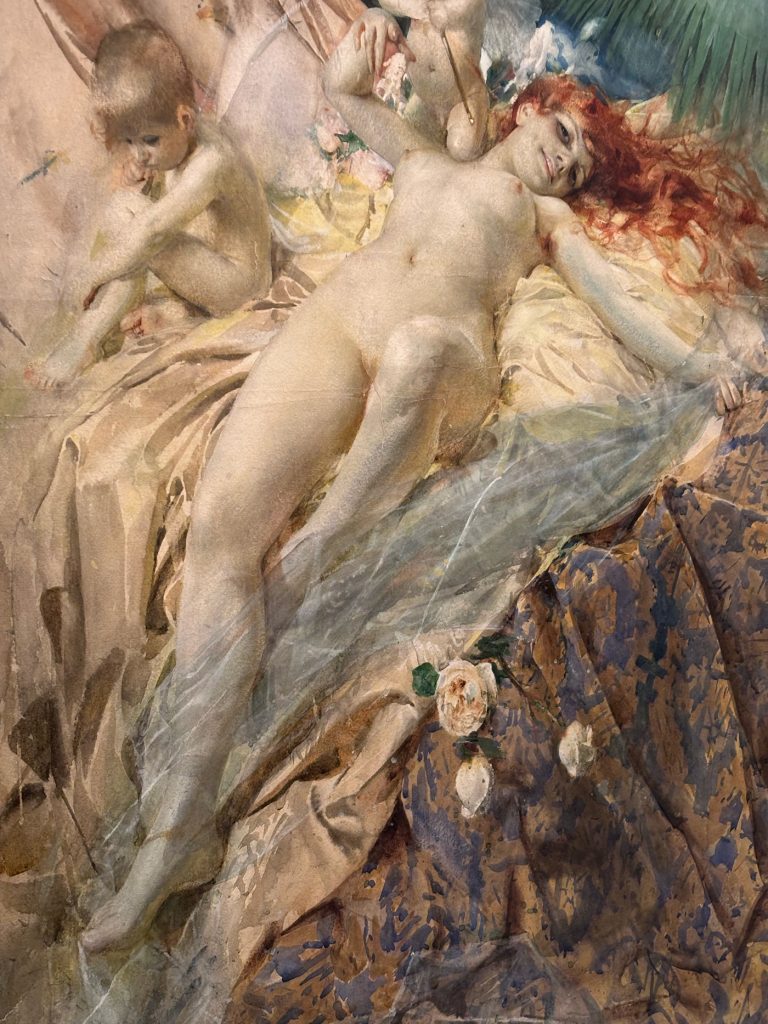
Zorn’s skill in the meticulous rendering of details reached a high point with The Nymph of Love, a rare example of mythological painting in his oeuvre. The work marked a turning point in his career, as from then on he only looked for his subjects in everyday contexts
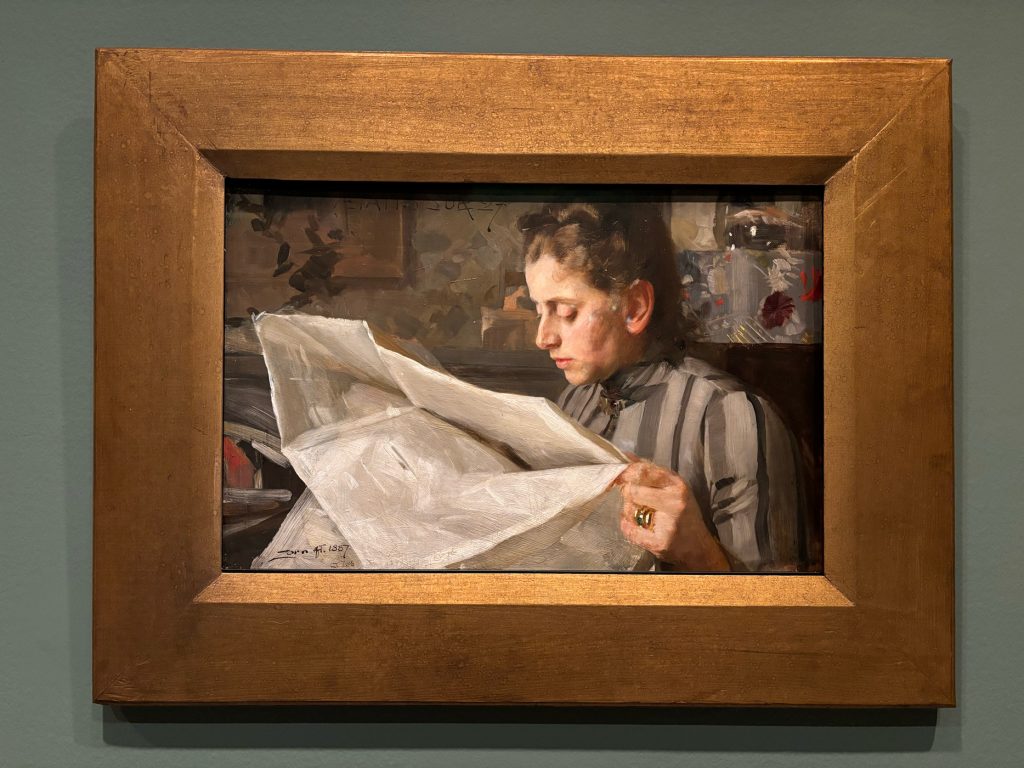
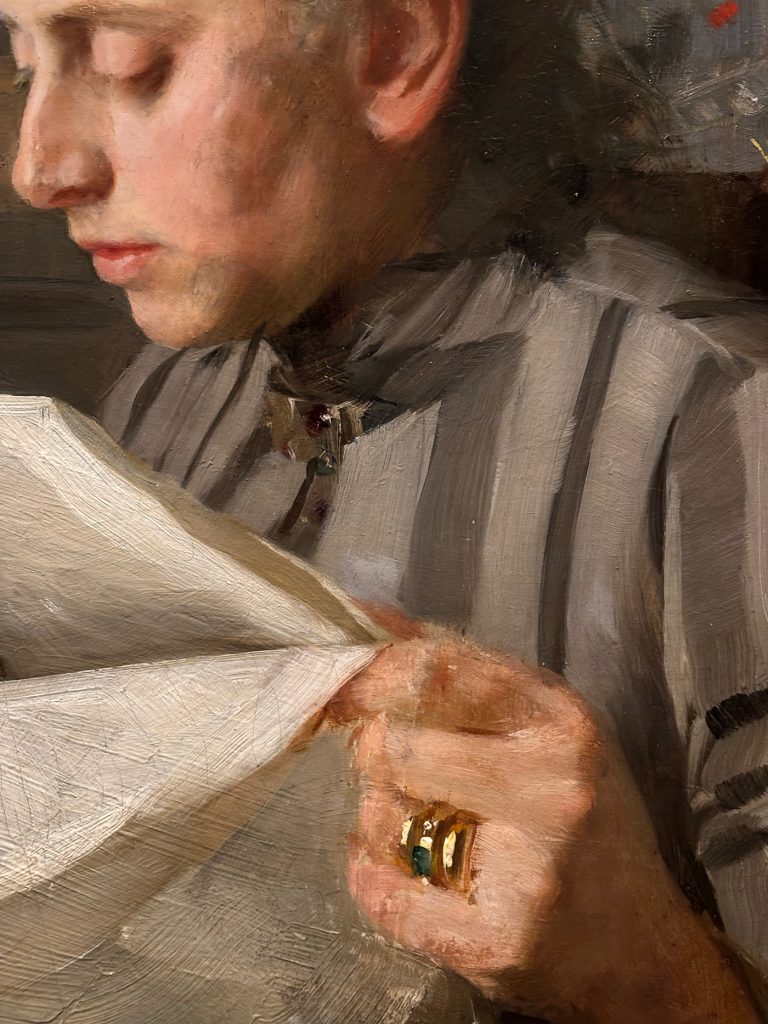
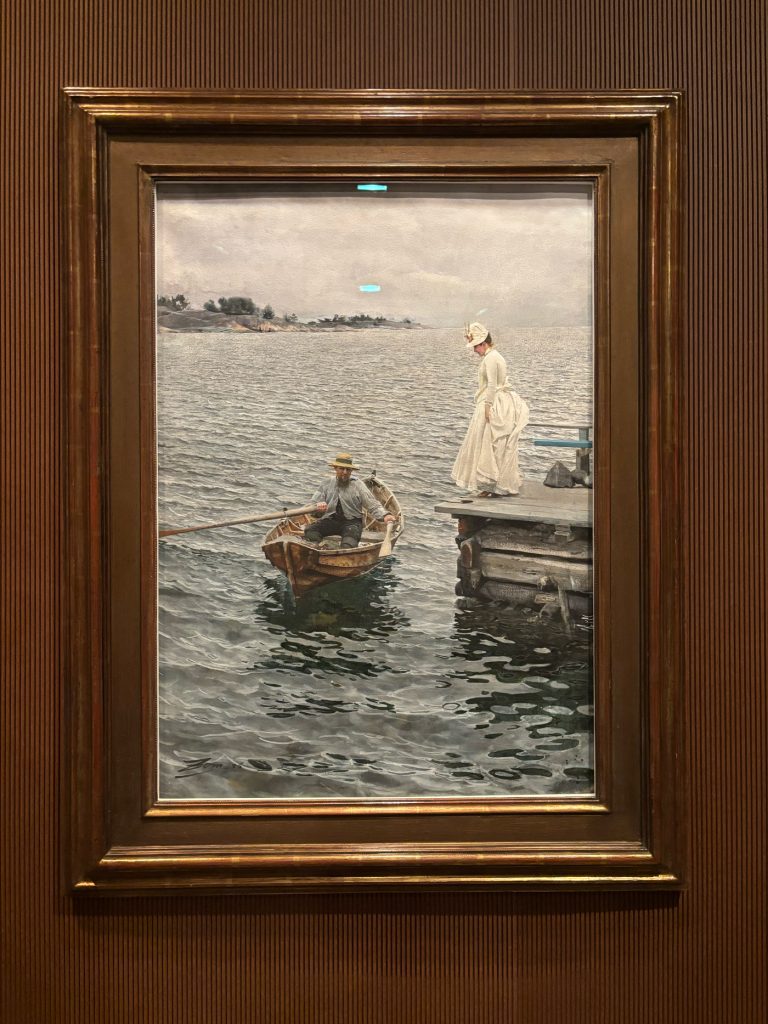
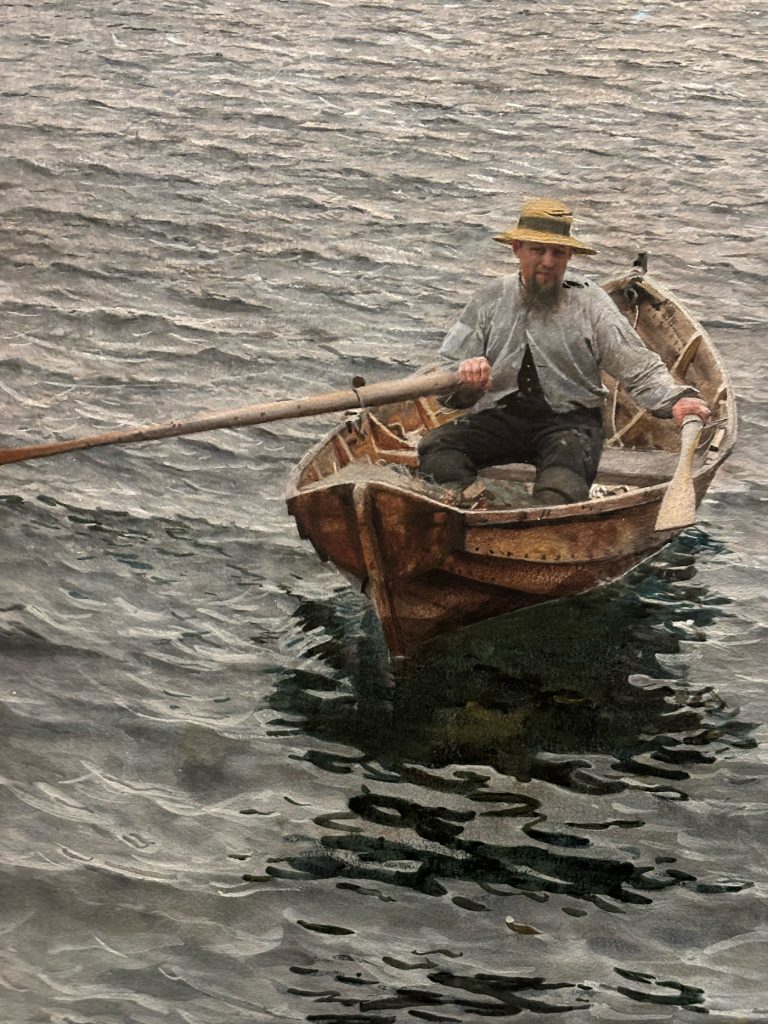
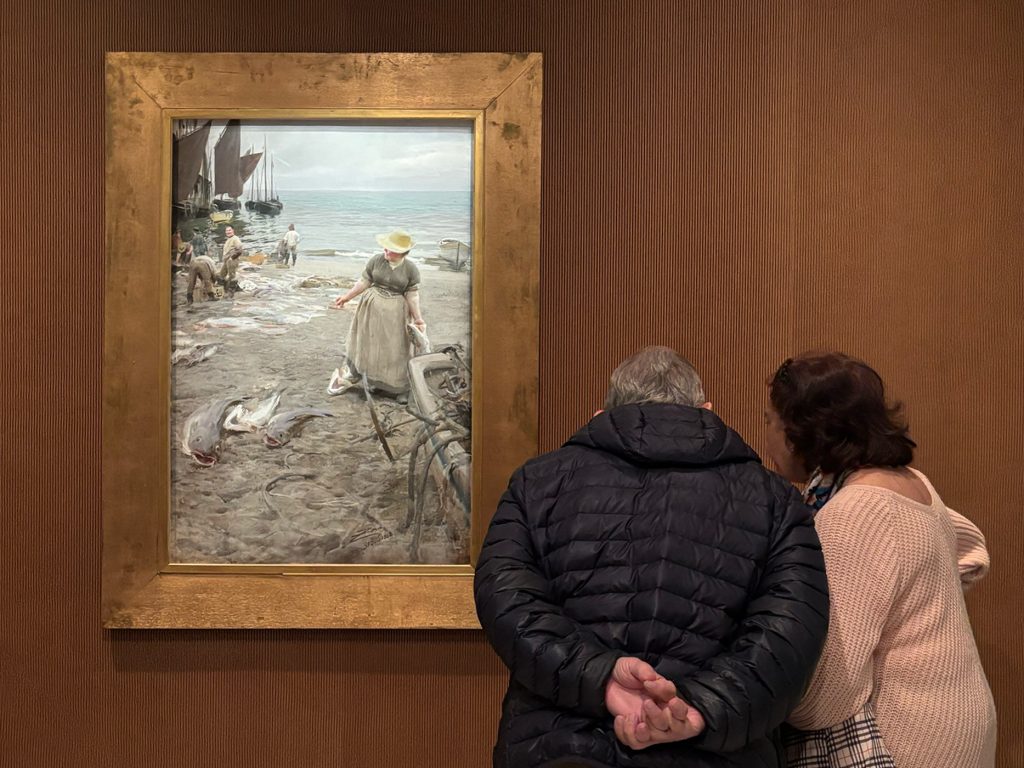
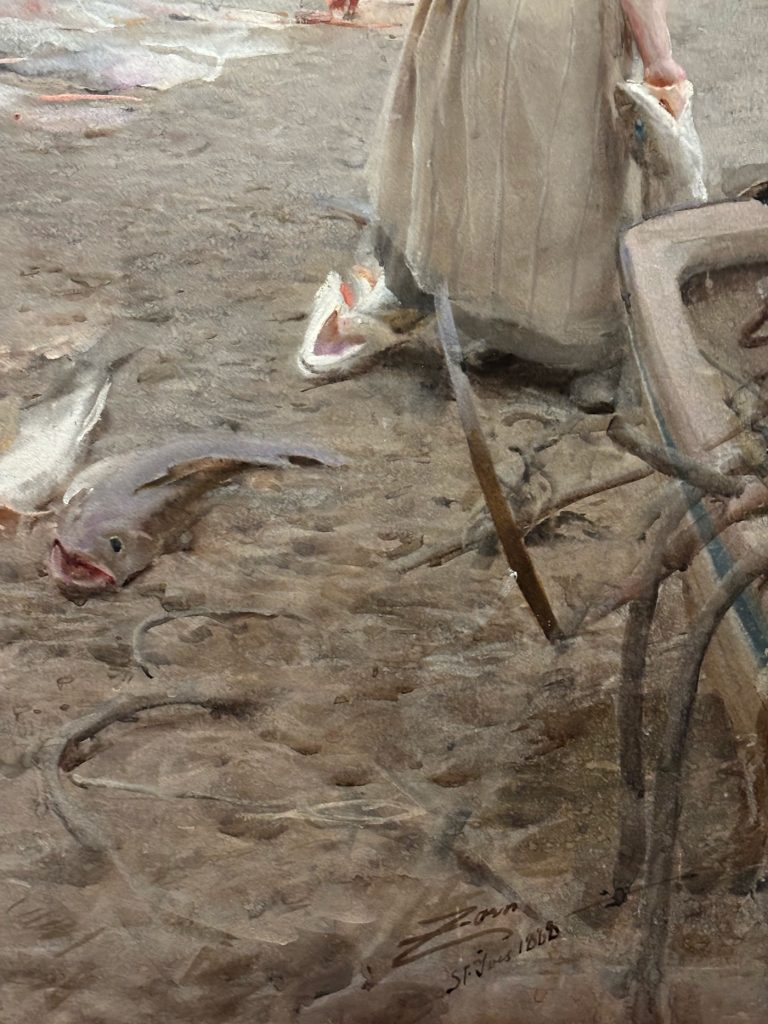
This evolution coincided with the artistic maturity achieved by the artist during these years, evident in exceptional works such as Summer Holiday. Until that date Zorn had solely focused on watercolour but in 1887 he began painting in oil during his stay in the English town of St Ives, where he came into contact with a vibrant artists’ colony. This new medium – which he alternated for a time with watercolour and in which he soon demonstrated notable mastery – accompanied his transition towards a more naturalistic style of painting, centred on scenes of daily life and on capturing effects of light and colour with no use of artifice. As such, Zorn embarked on a new phase that led the way to success in Paris and consolidated his international reputation
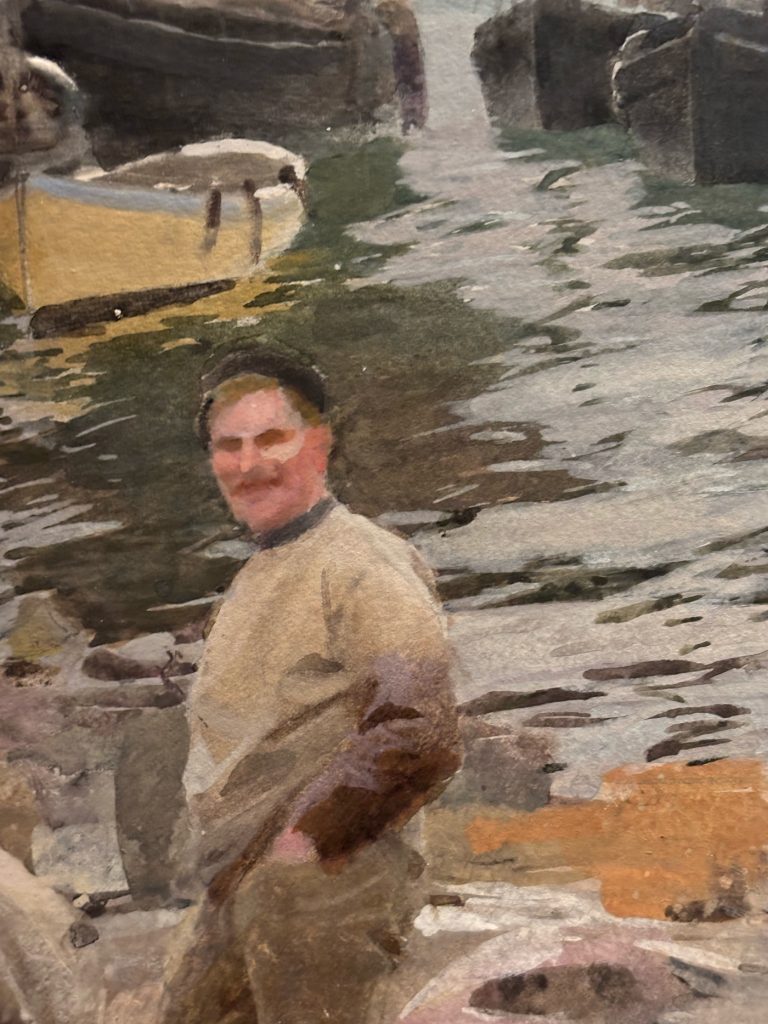
FROM PARIS TO THE WORLD: ZORN ACHIEVES INTERNATIONAL SUCCESS
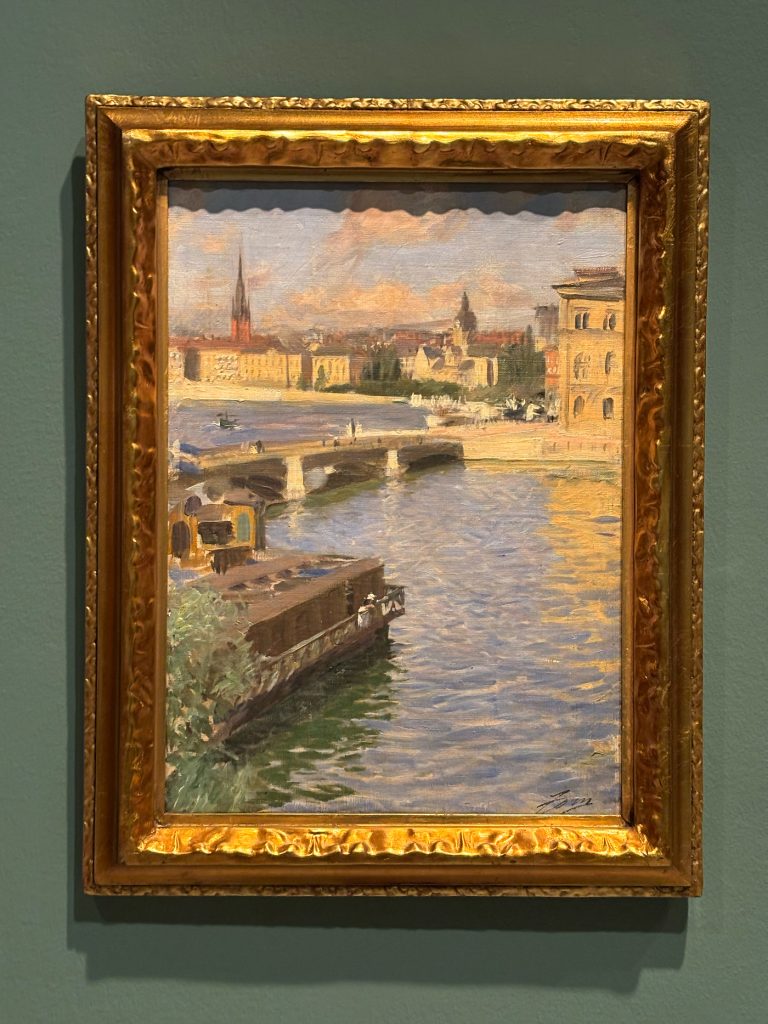
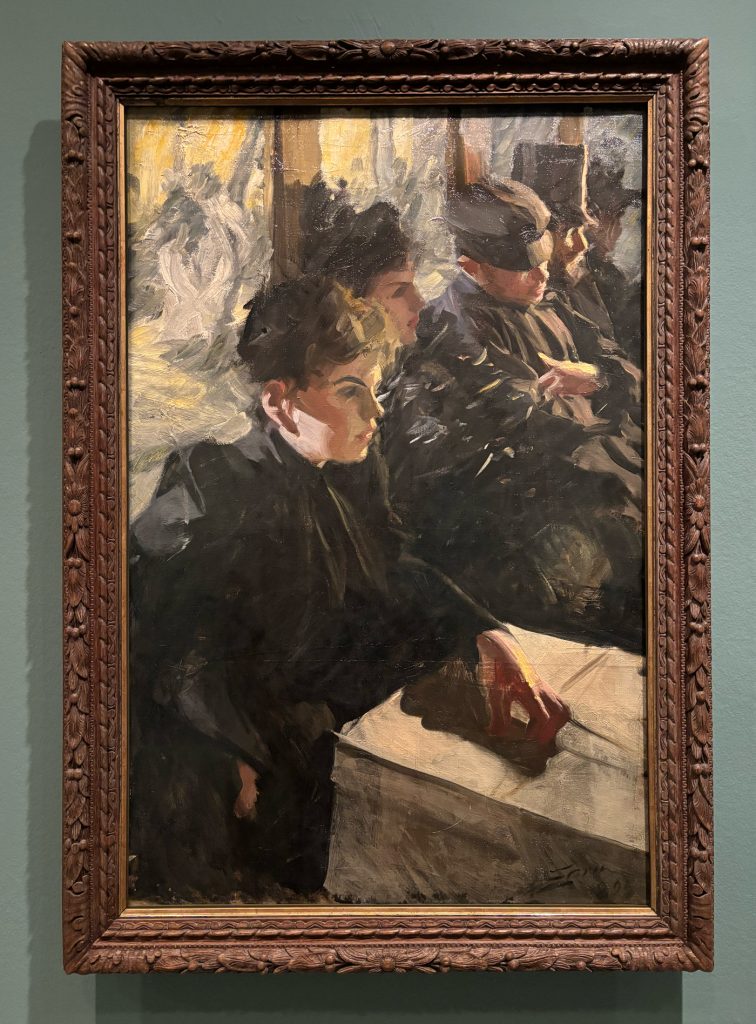
Between 1888 and 1896 the Zorns settled in Paris, at that time the world capital of art. There, the painter soon found his place in art circles while actively participating in major exhibitions. The year 1889 marked a high point in his career when he received the gold medal at the Universal Exposition and was made a Knight of the Legion of Honour, one of the highest distinctions awarded by the French State. A significant part of his Parisian output consists of portraits of artists, intellectuals and members of high society. Zorn brought a new perspective to this genre, moving away from the traditional studio format to depict his subjects in settings or actions that reflect their identity.
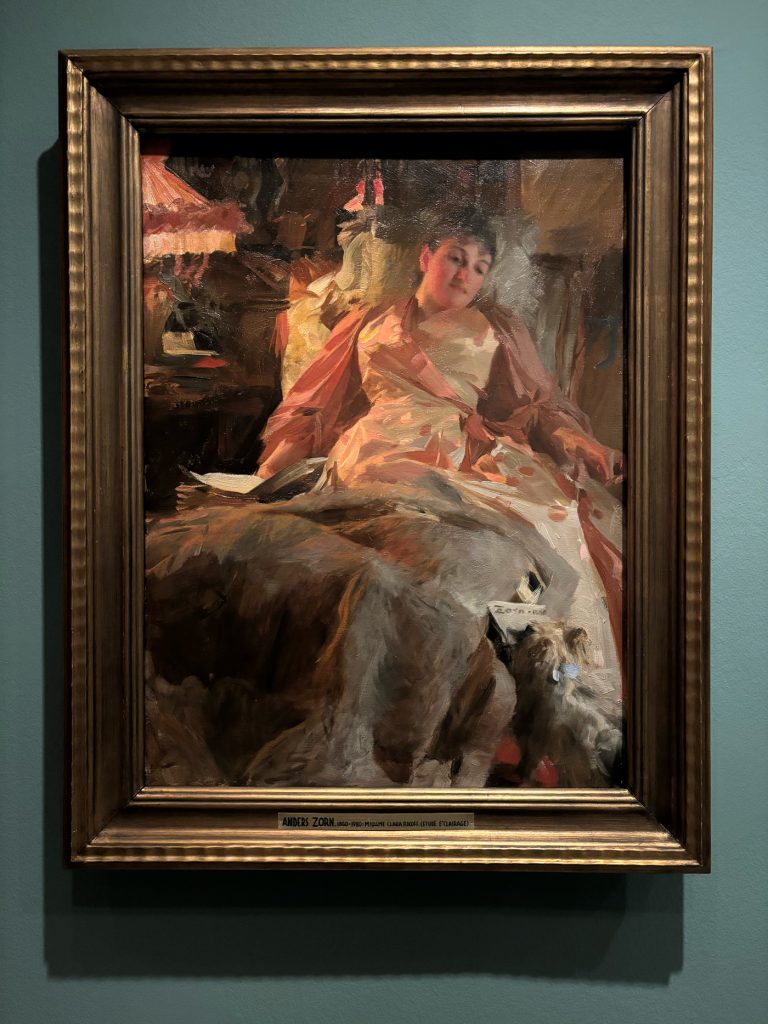
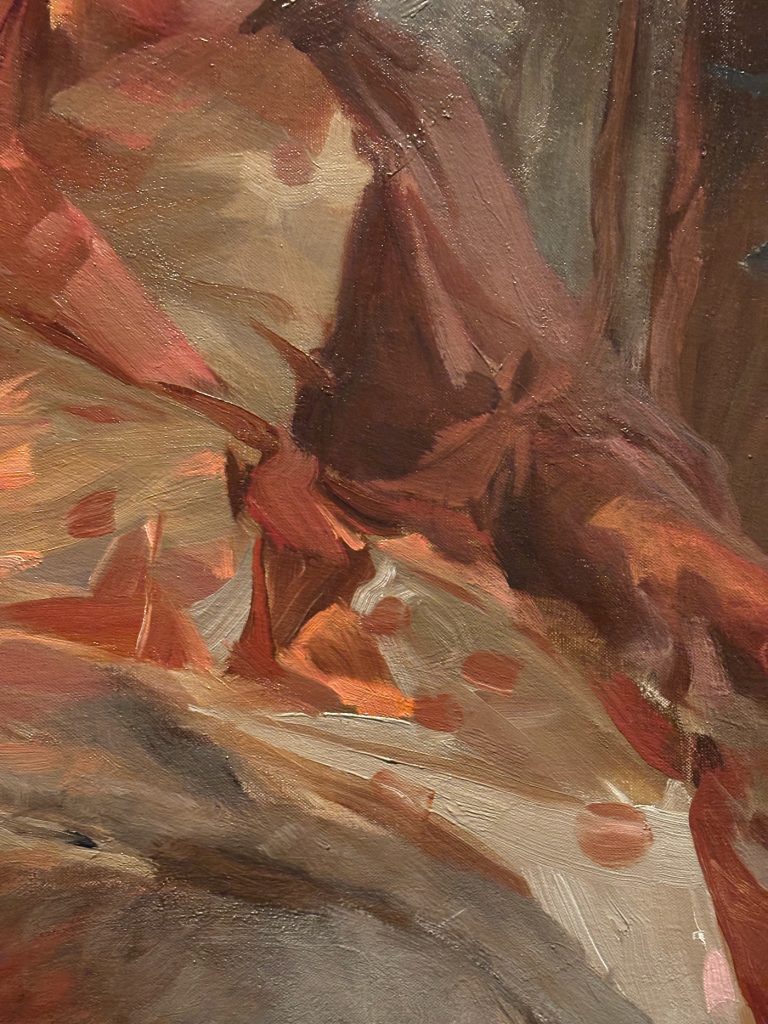
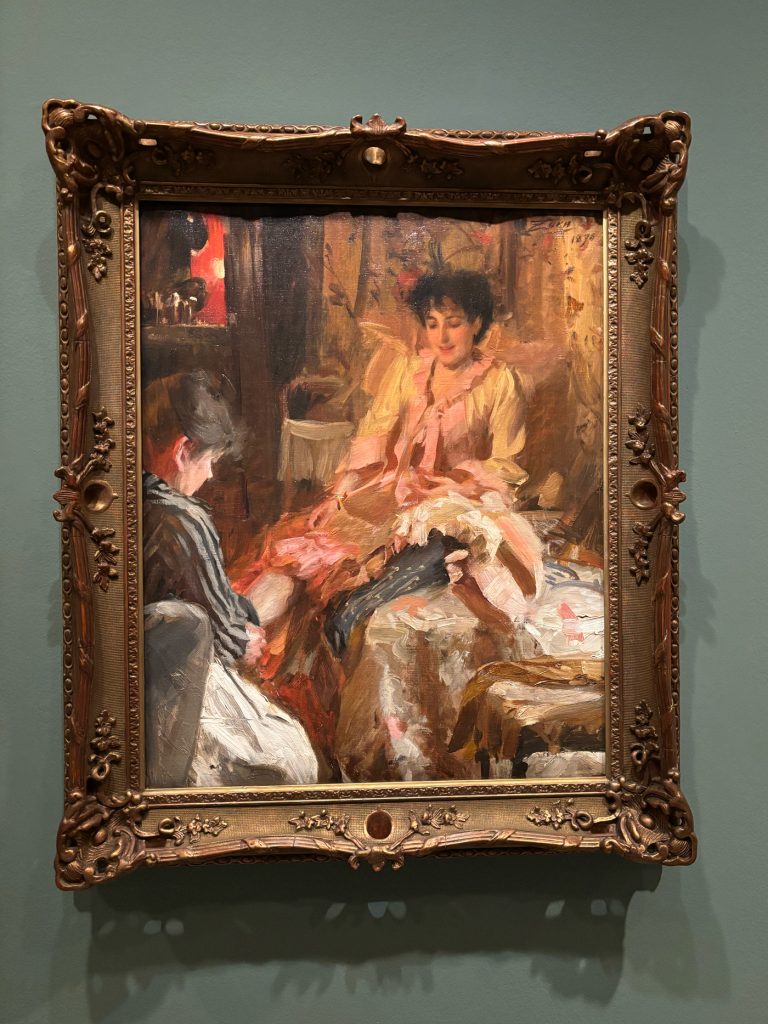
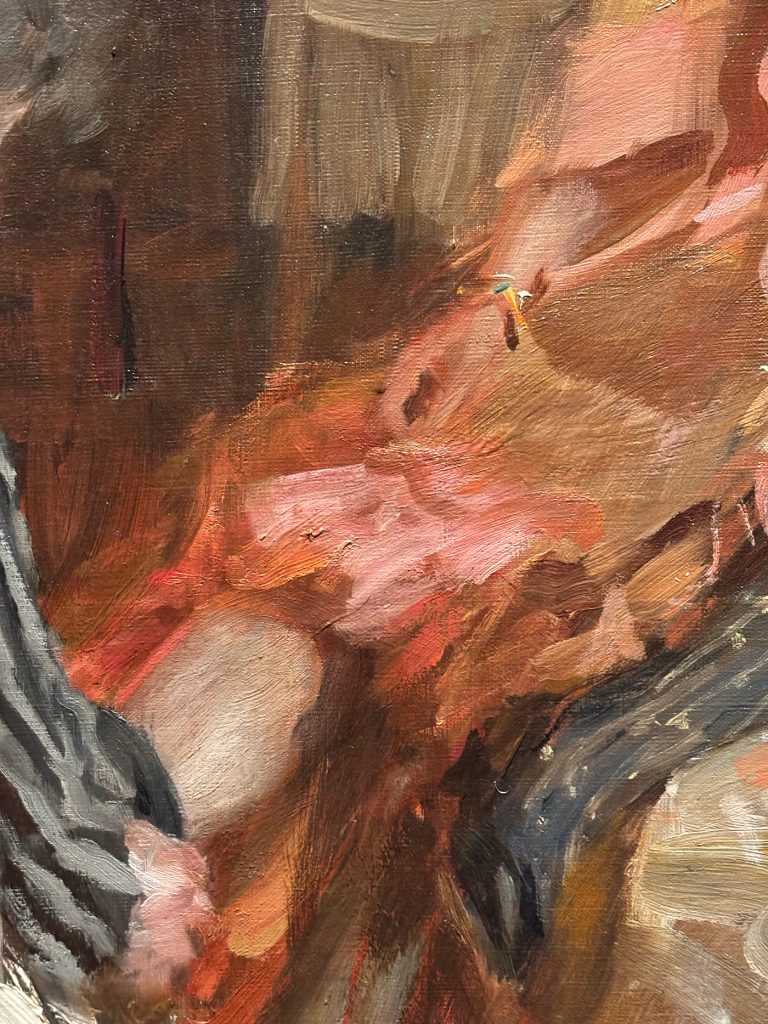
In the next canvas Zorn portrays Clara Rikoff in the privacy of her home, in a pose that is unusual for a woman from high society and recalls that employed for the dancer Rosita Mauri in her dressing room (the next work in this post). This was an exceptionally audacious decision on the part og both Born and his model, and for this reason Rikoff’s identity was not revealed in the work’s title when it was presented at the Paris Salon simply called Study of Lighting.
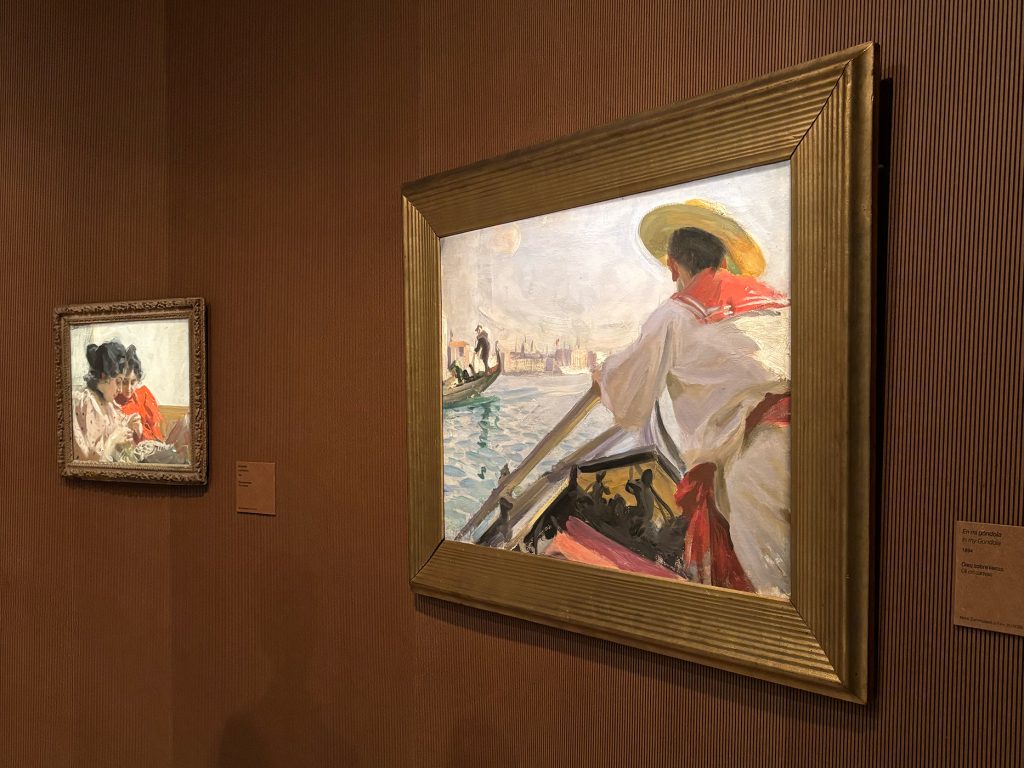
The international prestige Zorn achieved during this period is also reflected in his extensive travels, either accompanied by influential patrons such as Isabella Stewart Gardner (who hosted the couple at her Venetian palazzo in 1894) or invited by institutions and clients in Europe and the United States in order to undertake commissions. However, the artist never lost touch with his roots: he returned to Sweden every year until 1896 when he decided to settle permanently in Mora, his birthplace.
BATHERS IN THE OPEN AIR
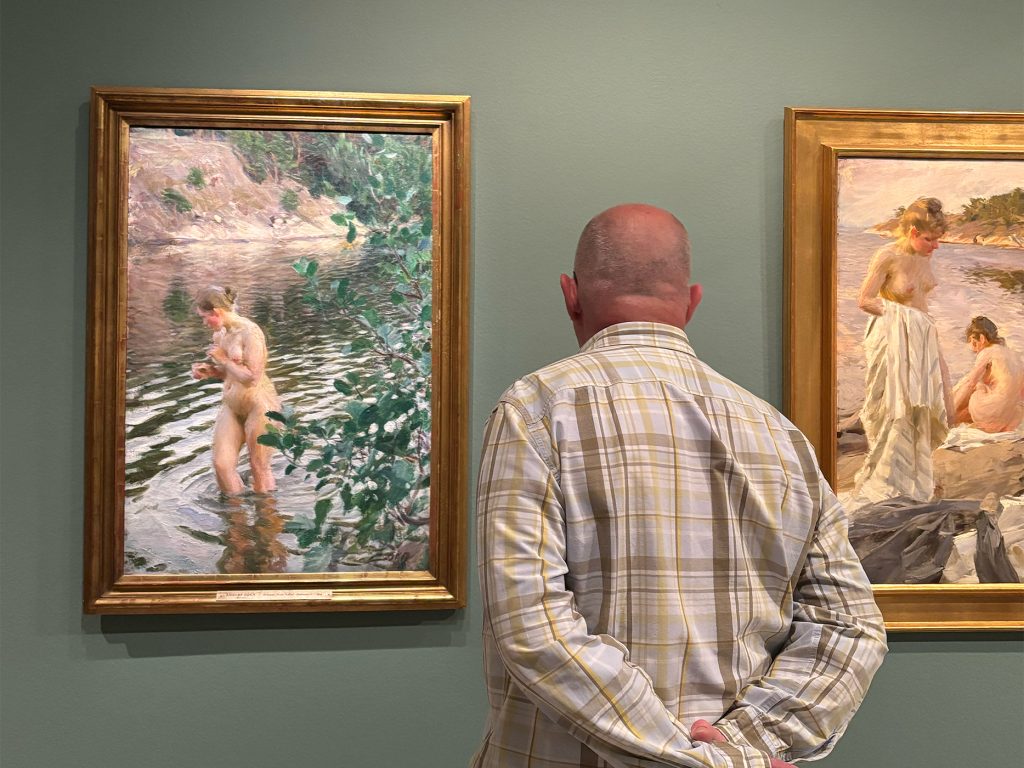
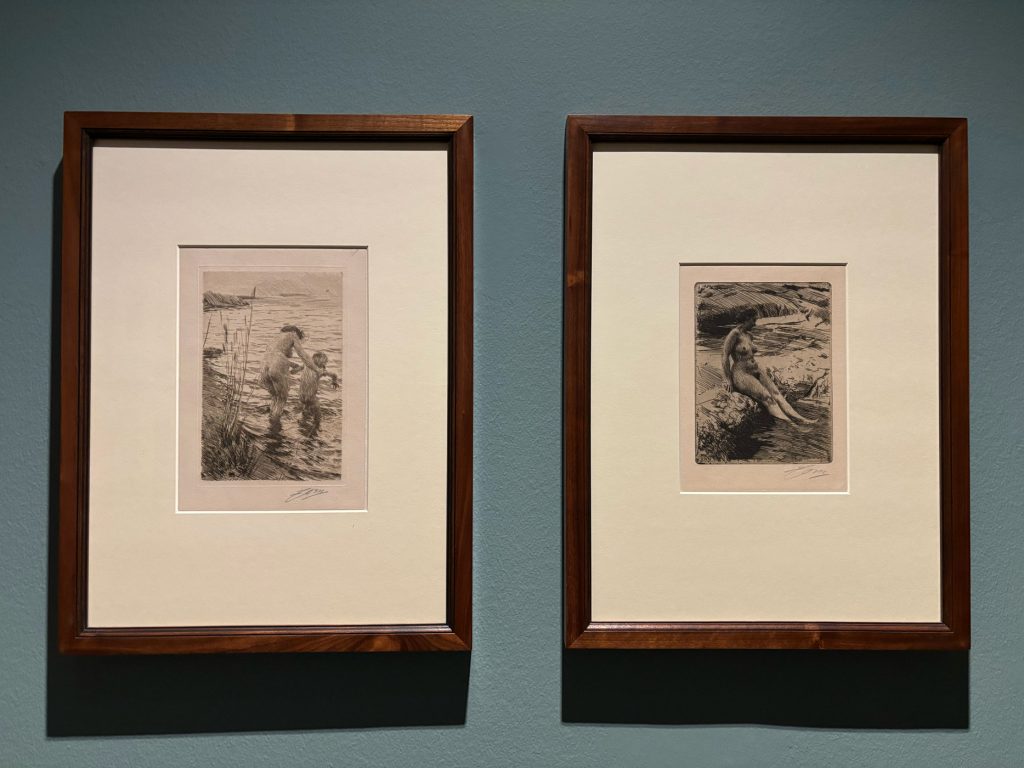
Until the 19th century the established codes of art history limited the representation of the female nude to mythological or allegorical painting. In the 1880s Anders Zorn took these images from the confines of the artist’s studio into the natural world of the Swedish landscape, freeing them from the dictates of academic tradition. His female Scandinavian models no longer represented heroines or goddesses of antiquity but rather embodied the contemporary ideal of health and strength, evoking harmony with nature and the therapeutic properties of water.
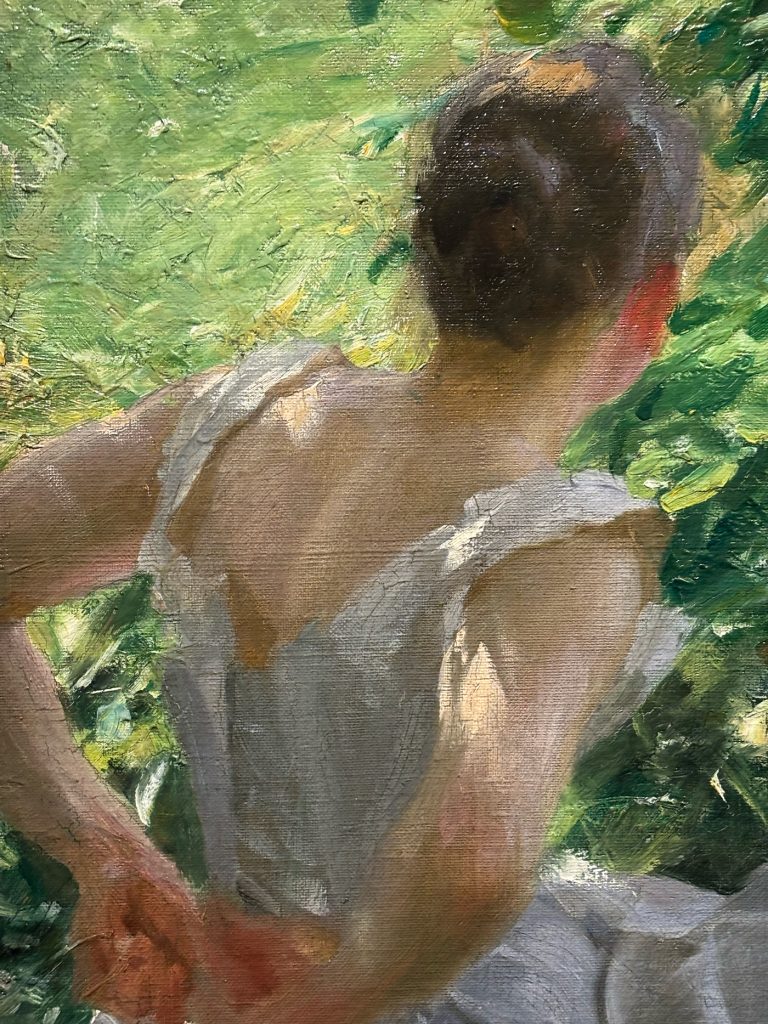
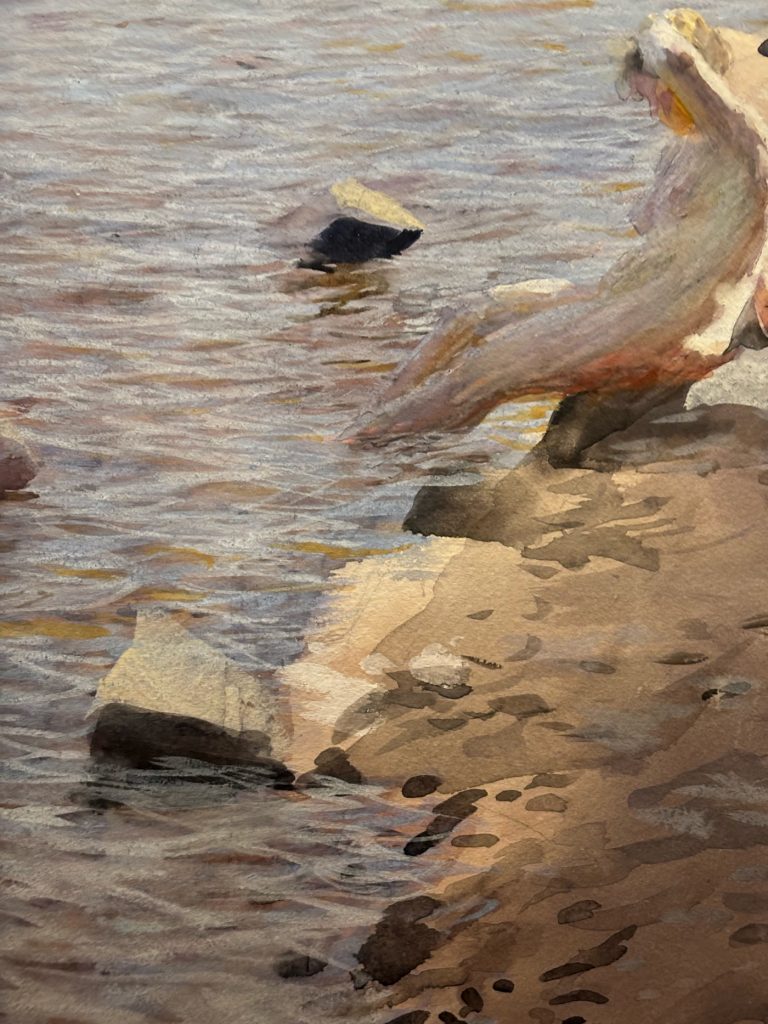
Zorn often painted these compositions during his summers in Dalarö, on the archipelago south of Stockholm. His interest in the subject, which he first explored in 1887, connects with his earlier explorations of reflections and the movement of the water’s surface, to which he now added the presence of the female body. The models are captured in seemingly natural poses, unaware of the painter’s presence, which gives these scenes a particular sense of spontaneity and intimacy.
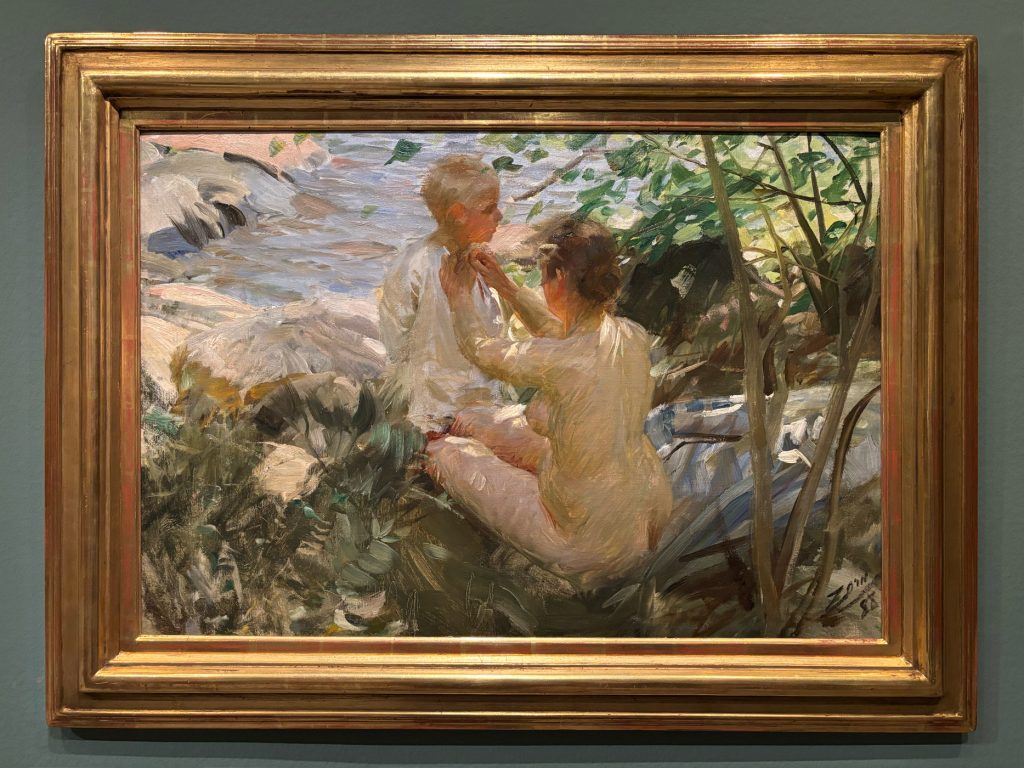
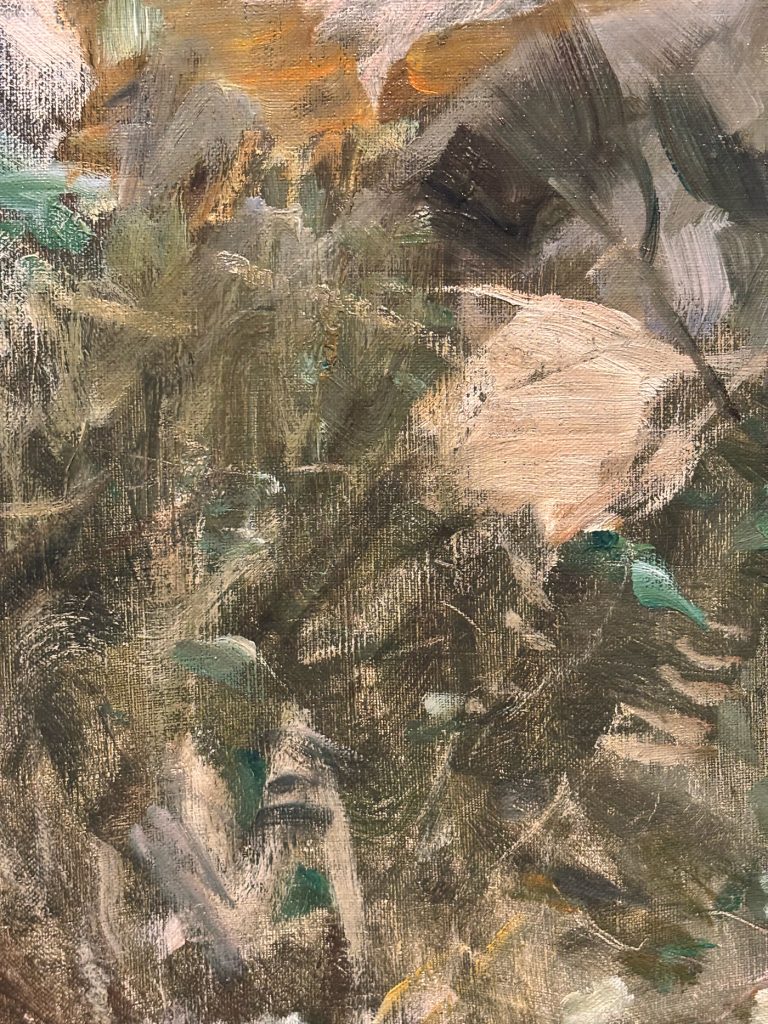
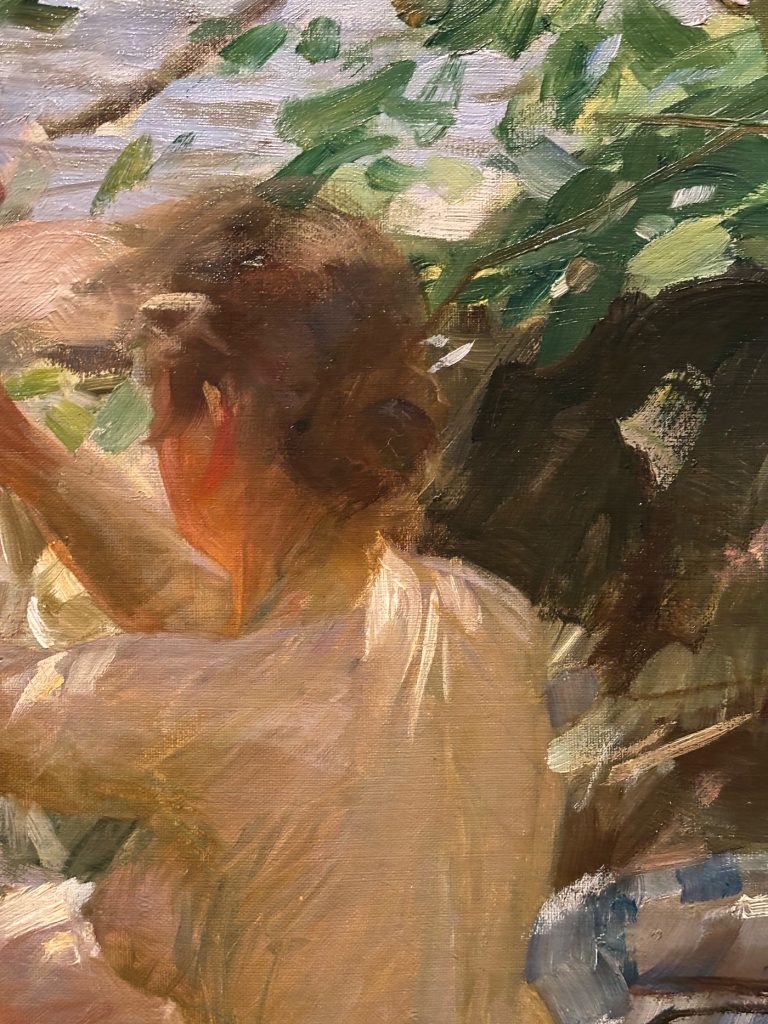
Although sometimes criticised on moral grounds, these nudes enjoyed enormous success during the artist’s lifetime and contributed decisively to Zorn’s international renown. While notable for the interplay between body, light, water and nature, they also reveal an interpretation of the female body constructed from a male perspective. In 1900 Zorn started to move these nudes into interiors, resulting in a loss of some of their initial spontaneity and frankness. Today, these works are seen as not only groundbreaking for their time but also as a testament to cultural and gender tensions that continue to be debated.
ZORN THE PORTRAITIST
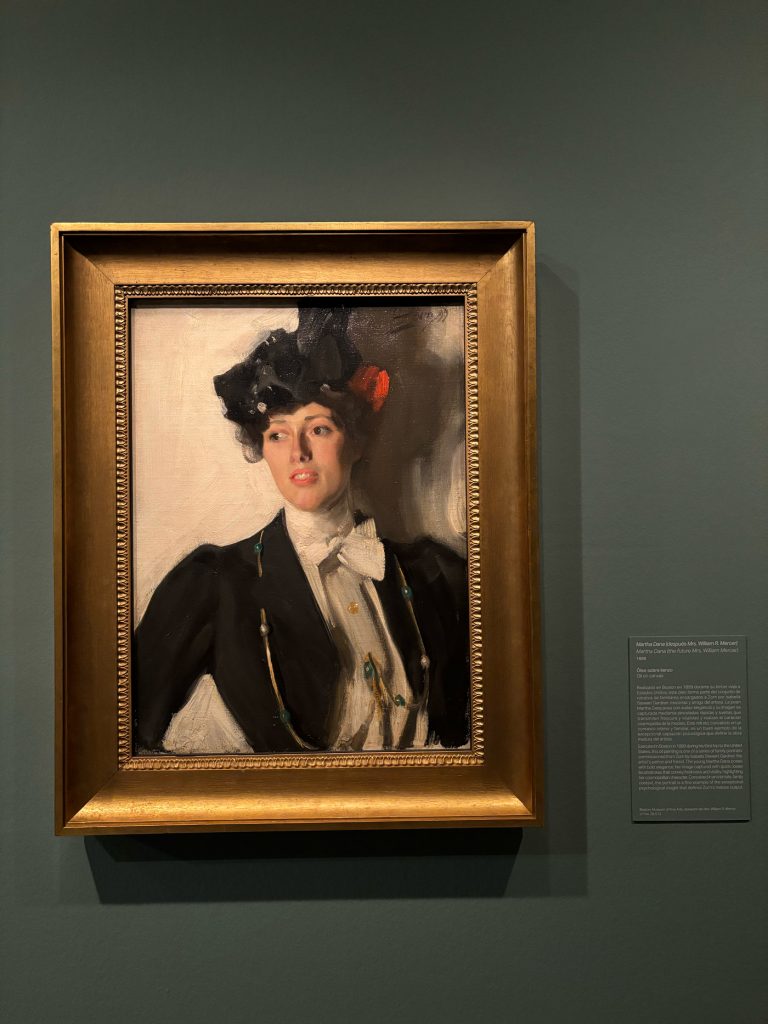
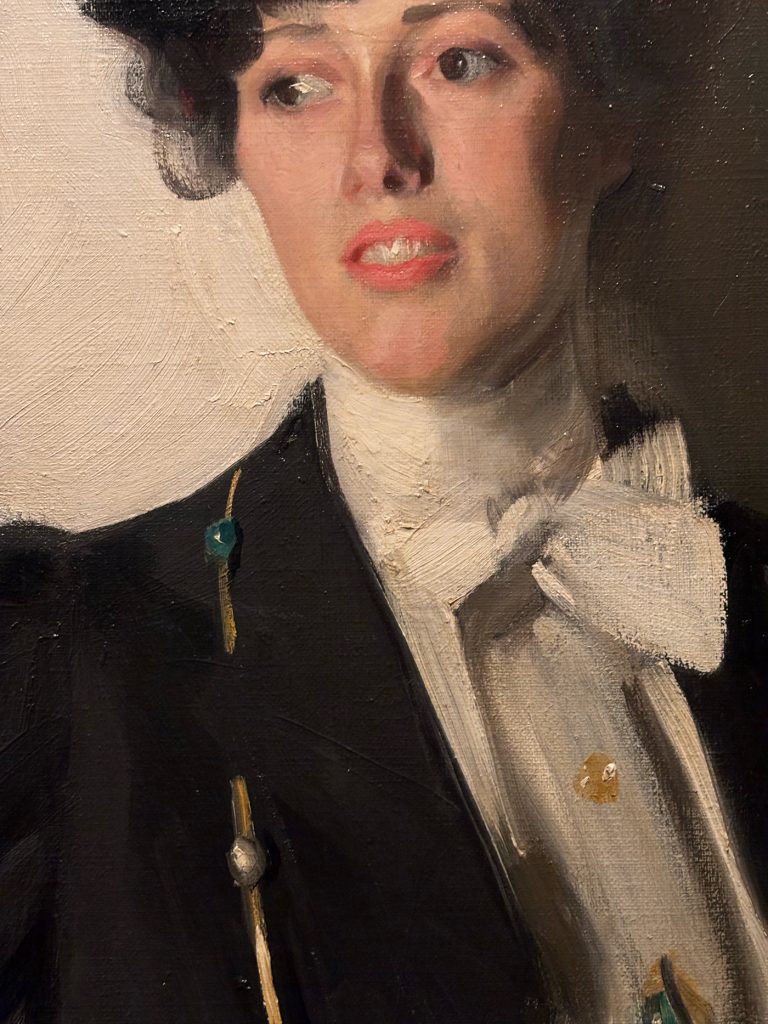
Portraiture opened the doors of the art world to Zorn. From a young age he demonstrated a precocious talent for the genre, which he continued to evolve and develop throughout his career. Although portraiture was based on well-established conventions, Zorn introduced innovations that made him one of the most sought-after exponents of his day. Like other painters of his generation, such as John Singer Sargent, Giovanni Boldini and Joaquín Sorolla, Zorn championed naturalism and spontaneity in images that often depart from the genre’s traditional rigidity and in which the sitter’s surroundings play a key role.
The prestige achieved by the artist led him to travel to the United States seven times, following in the footsteps of the leading European portrait painters of that period. His clients included three US presidents, prominent industrial magnates and members of distinguished families such as the Vanderbilts. Having become Sweden’s most internationally renowned painter, Zorn was also in demand by high society and the Swedish royal family. He also produced portraits of fellow painters, such as Max Liebermann and Joaquín Sorolla, depictions of a more intimate nature.
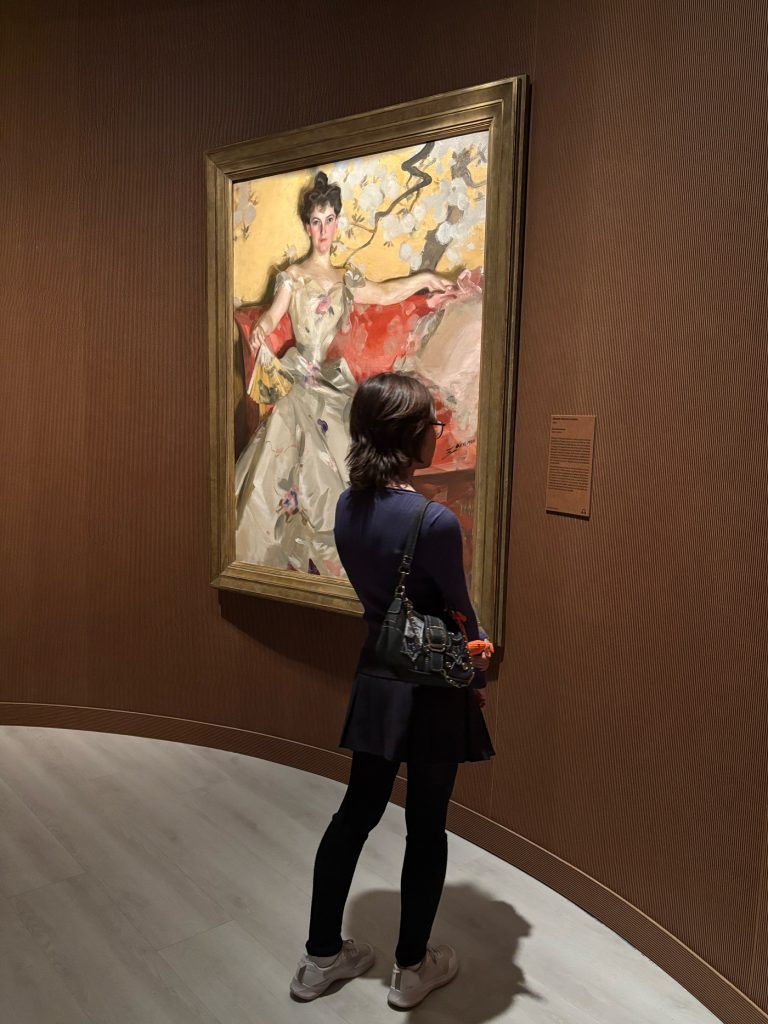
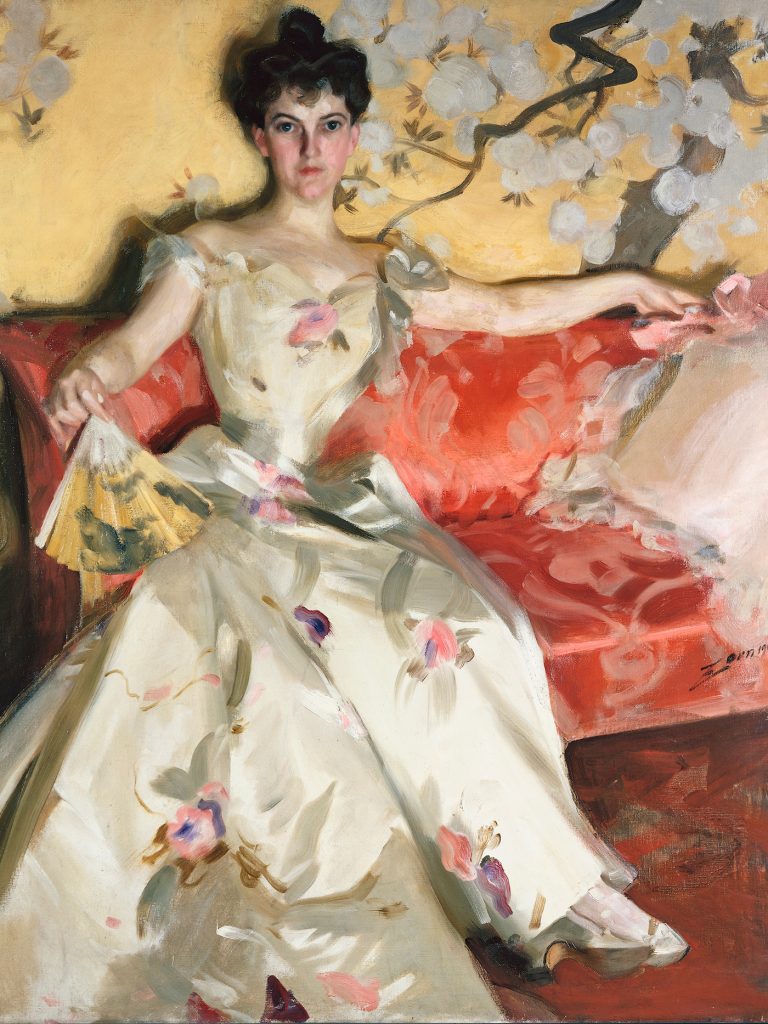
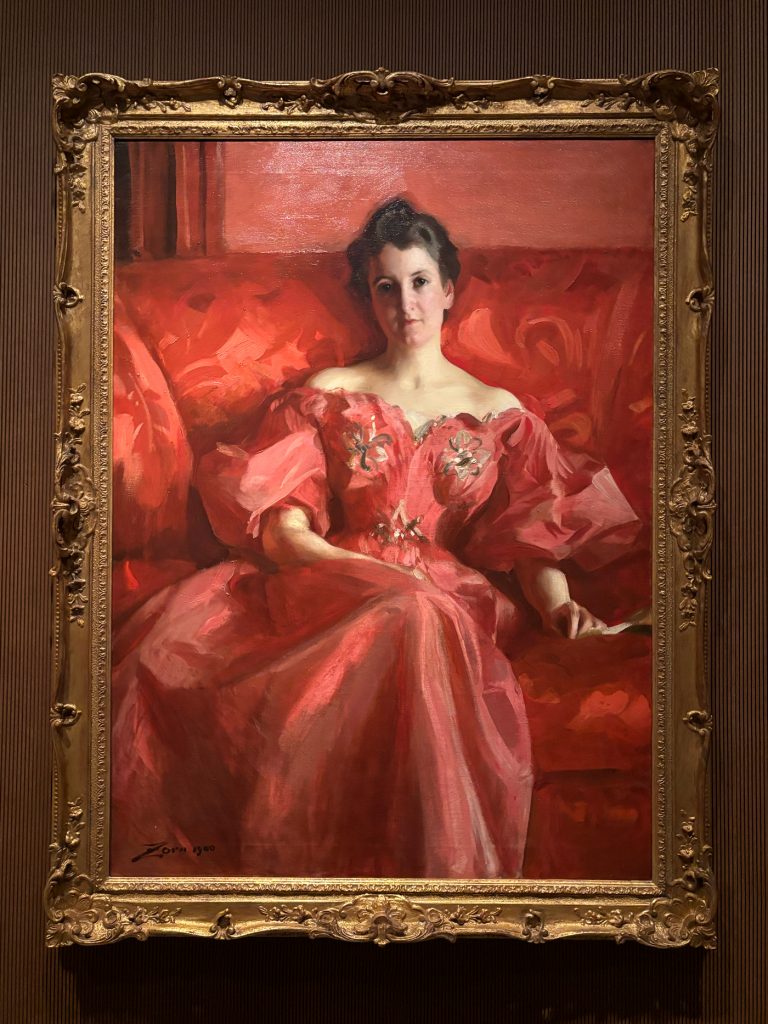
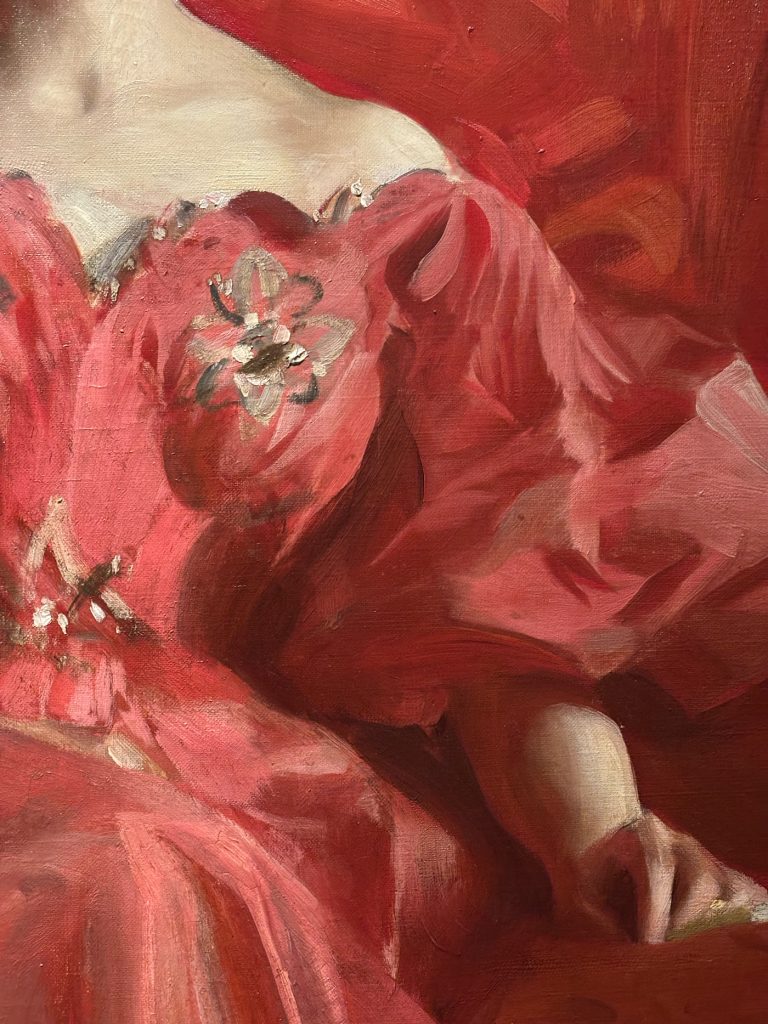
Despite this success, Zorn was criticised for a supposed improvisation and superficiality in his compositions, manifested in the loose brushstroke and sketchy nature of his works, characteristics that are now valued as part of his modernity.
SWEDEN: THE POWER OF ROOTS
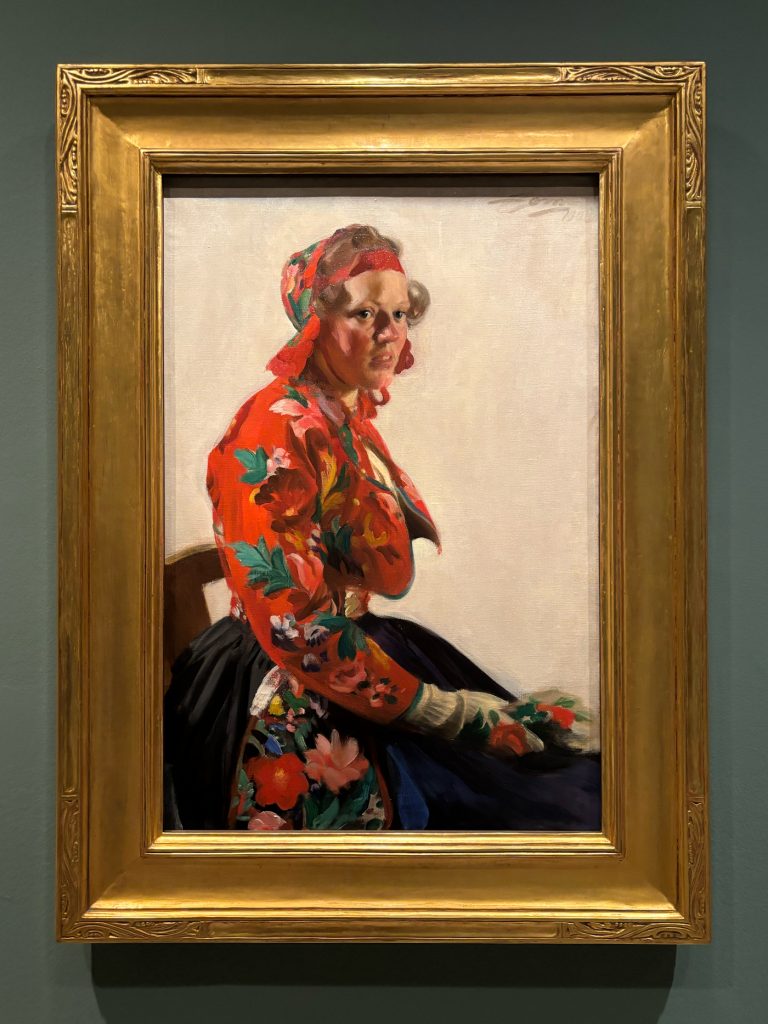
Despite his extensive travels and cosmopolitan life, Anders Zorn always maintained a profound connection with his native region of Dalarna. In 1896 he returned permanently to Mora, moving into a house he had designed himself and which combined rustic charm with refined elegance, reflecting his artistic sensibilities and profound attachment to his origins. This return coincided with a trend inspired by Romanticism that championed the national values embodied in Sweden’s rural regions. Dalarna became a symbol of Swedish peasant culture and traditions, and more than any other artist Zorn helped to forge their idealised image through his painting.
In these works he portrayed the world of his childhood and emphasised the customs that had allowed the region to resist the modern industrial era: agricultural labour, traditional costumes, popular celebrations, etc. Imbued with authenticity, Zorn’s scenes are expressed through a modern and international language that brought him notable success both in Sweden and abroad.
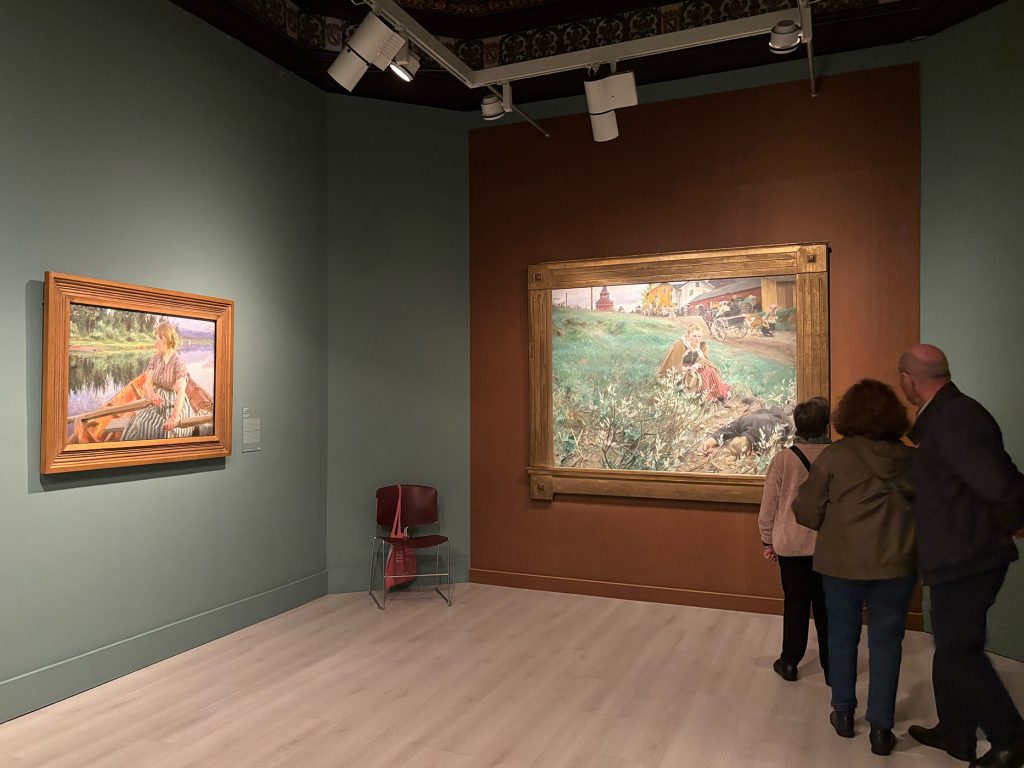
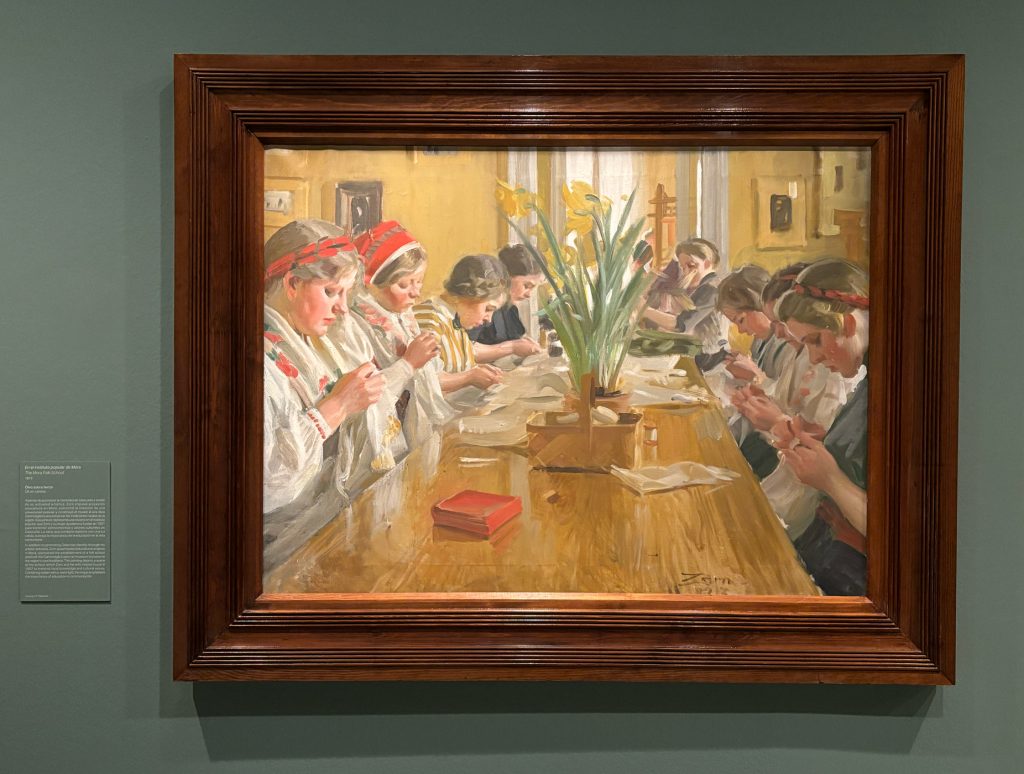
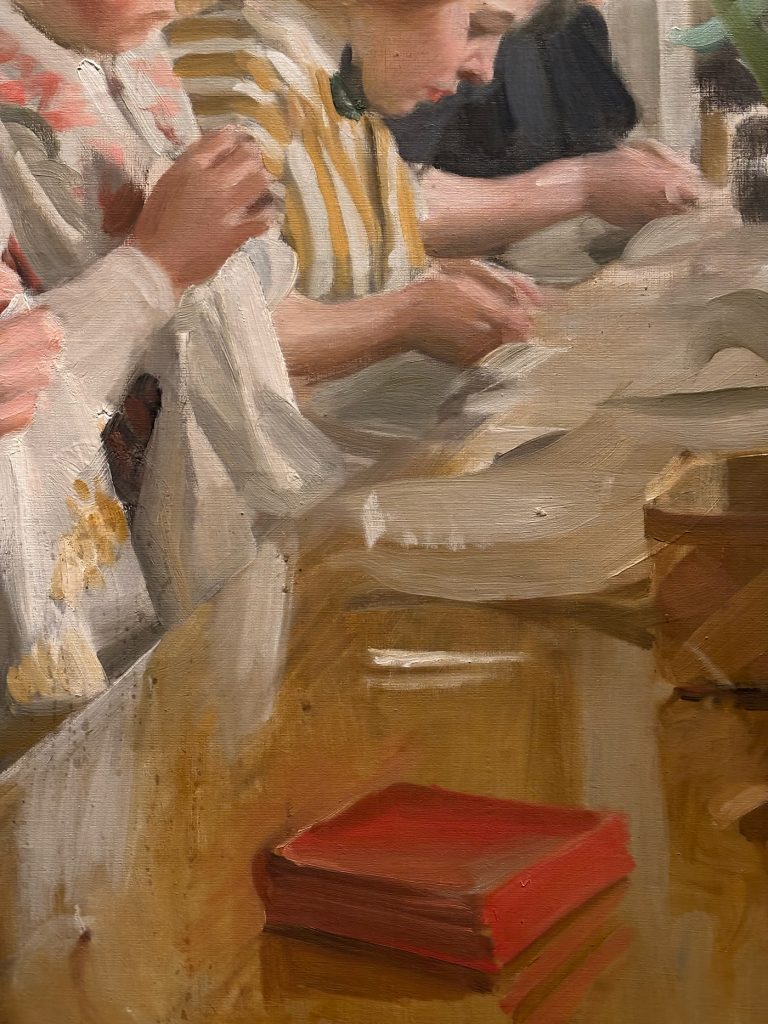
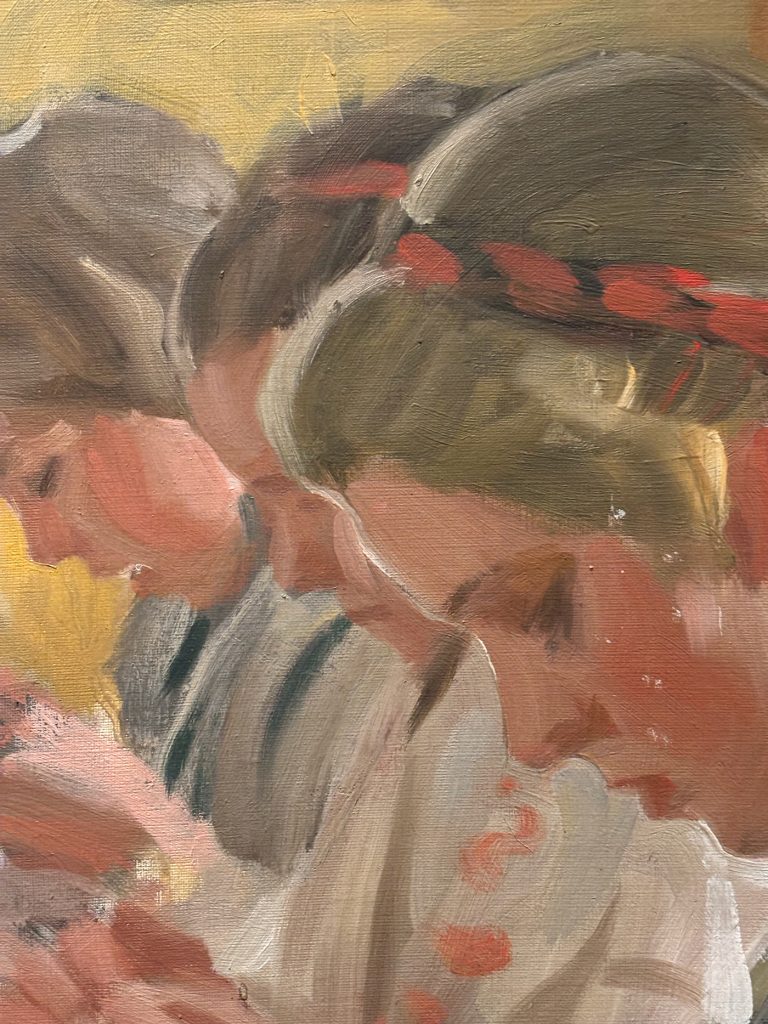
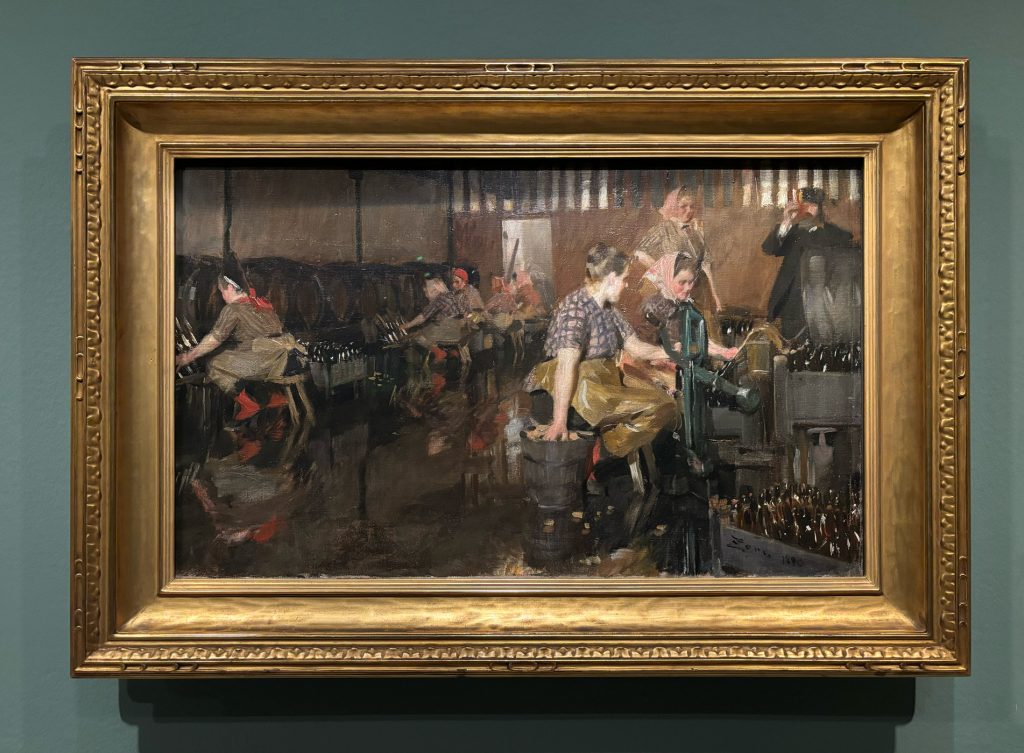
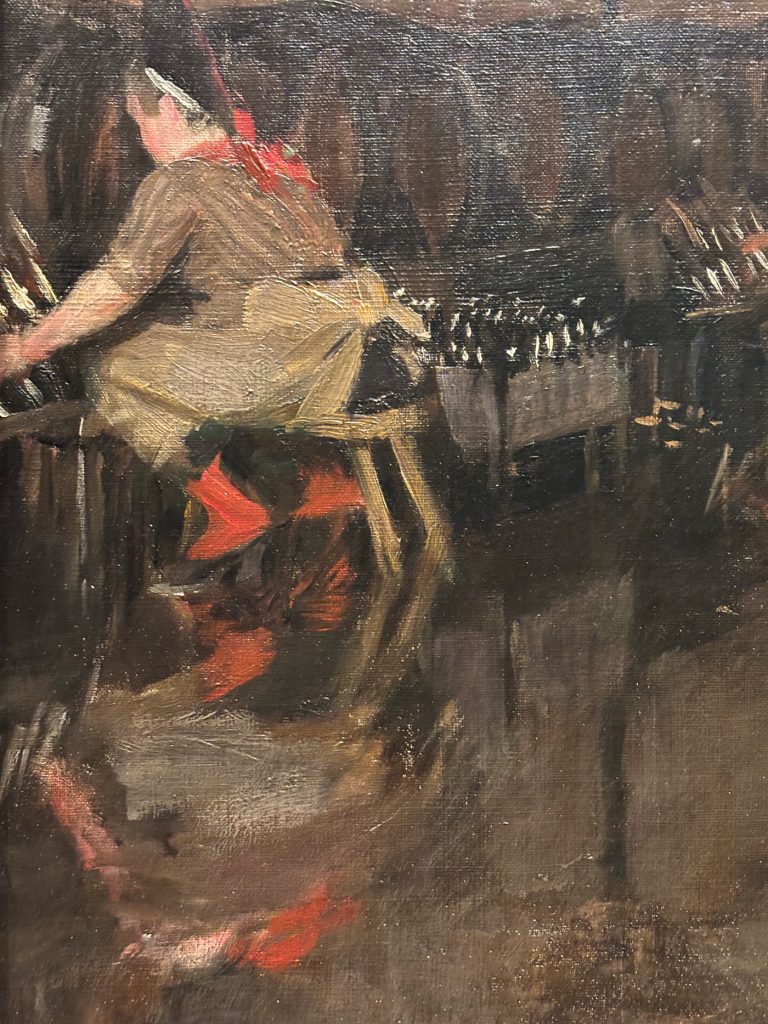
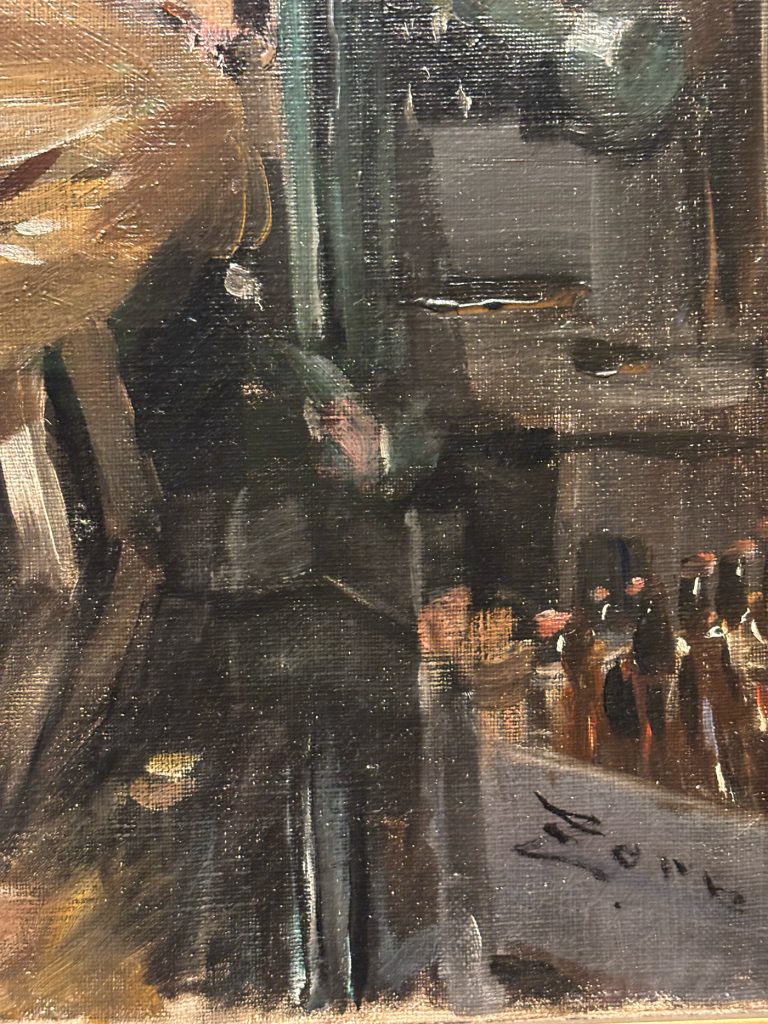
Zorn was actively involved in preserving Dalarnan culture, and not only through his artistic output: he organised folk music competitions, collected textiles and traditional objects, and founded the Gammelgård open-air museum devoted to the preservation of rural architecture. His wife Emma Lamm continued his legacy after his death in 1920.
This culminated in the creation of the Zornmuseet in Mora, which ensured that the artist’s name would be forever linked to the region and to Swedish cultural identity.
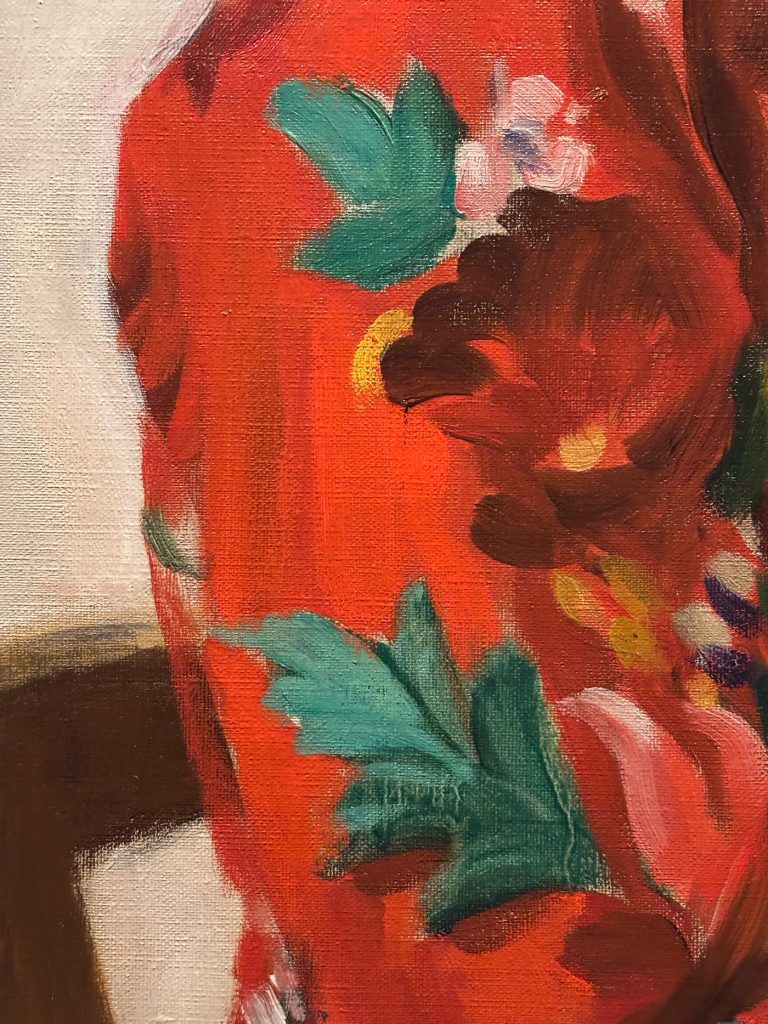
ZORN THE PRINTMAKER
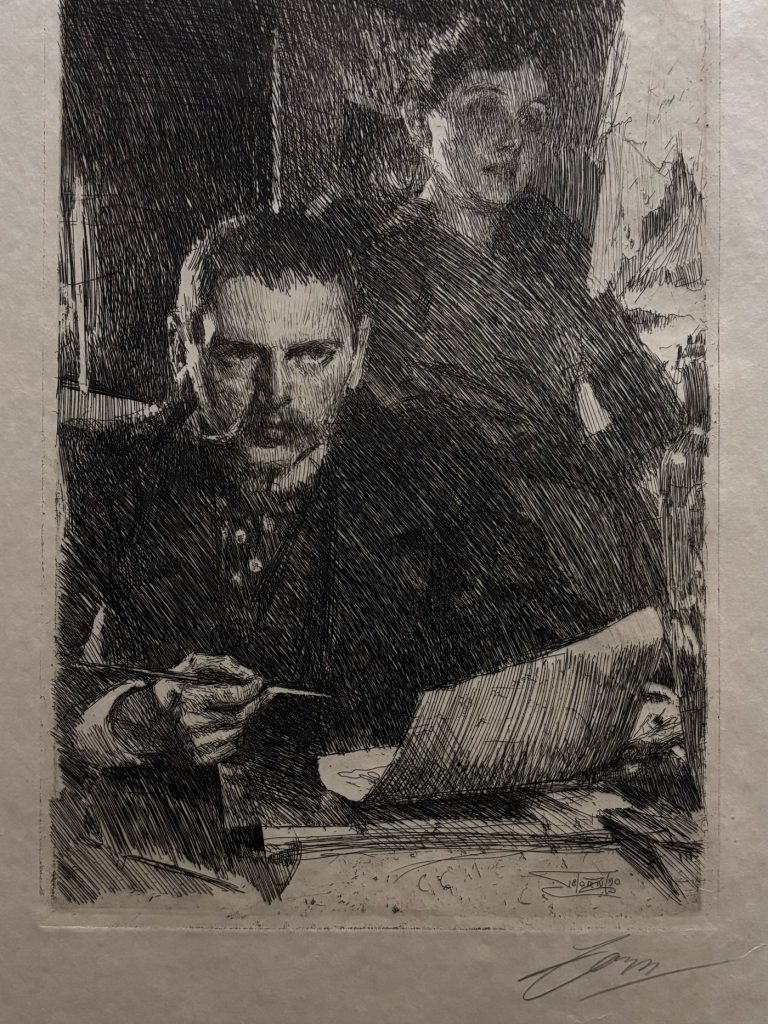
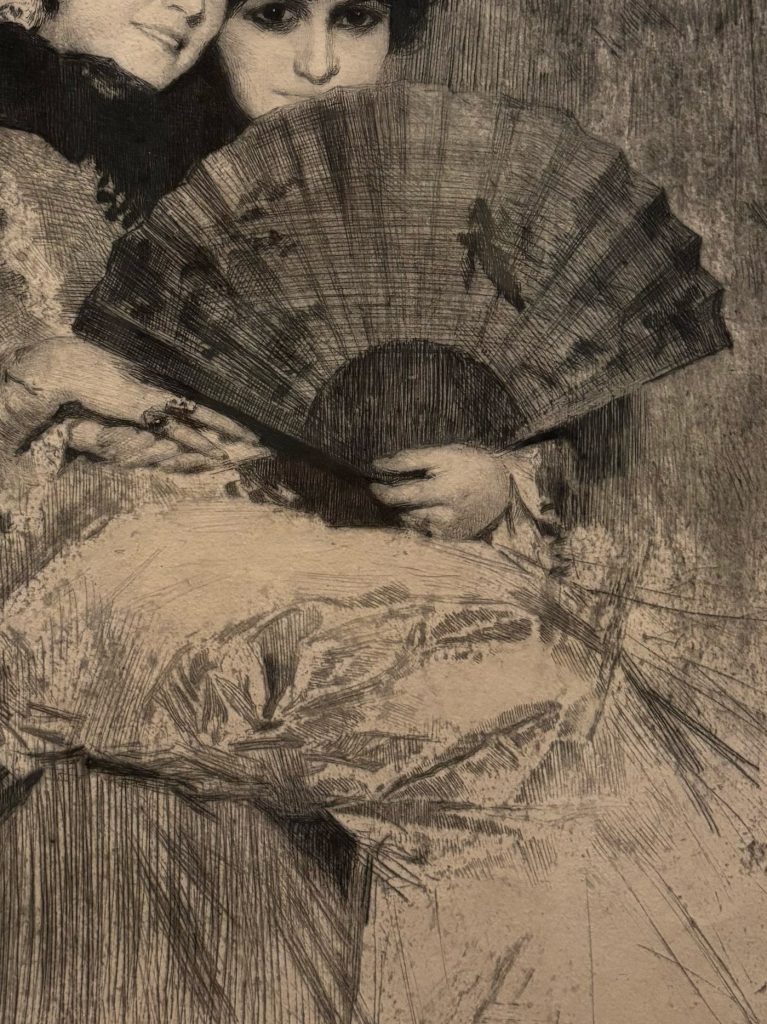
Anders Zorn is considered one of the great masters of printmaking in the history of modern art and among the figures responsible for reviving the medium in Sweden. His career as a printmaker spanned thirty-seven years, during which time he produced 291 etchings, a number comparable to the output of Rembrandt, whom he concidered his principal source of inspiration and technical model, and of whom he possessed a notable collection of prints.
Zorn first studied engraving in London in 1882, taught by the Swedish artist Axel Herman Haig. Most of his early works are reproductions of his own watercolours and paintings, characterised by precise draughtsmanship and meticulous attention to detail. However, from 1888 he developed a personal style defined by economy of line, open contours, clear structure and the use of parallel lines to create volume and atmosphere.
The principal themes of Zorn’s etchings are similar to those of his paintings: portraits, nudes in the open air, and rural scenes of his native region. They reveal both his interest in the human figure and in the daily lives of the Swedish people. Zorn achieved such popularity with his etchings that they frequently achieved higher prices than hos other works.
A huge thank you to the Foundation Mapfre in Madrid and curator Casilda Ybarra for putting together such an unforgettable exhibition. Even though the physical show ended a while ago, the inspiration it left behind is still very much alive.
If you missed it or want to relive the experience, you can still explore the entire collection through their incredible digital archive. Take the Virtual Tour Here